Uncover the Surprising Evolution of Indonesian Sacred Melodies

webmaster

인도네시아 종교 음악의 현대적 재해석 - **The Digital Santri**
    *   **Subject:** A young Indonesian woman, in her early twenties, wearing...

Hey music lovers! If you’re anything like me, you’re always on the hunt for something that truly moves your soul, something that bridges the old with the new in a spectacular way.

Well, let me tell you, I’ve recently been absolutely captivated by the incredible world of Indonesian religious music and its stunning modern reinterpretations.

It’s not just ancient chants anymore; we’re talking about a vibrant, evolving soundscape where deep spiritual traditions meet contemporary beats and melodies.

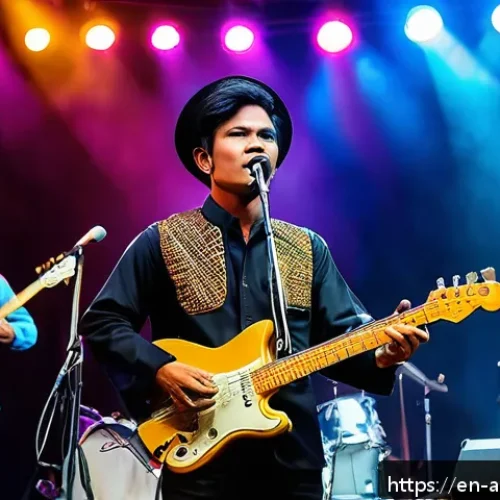
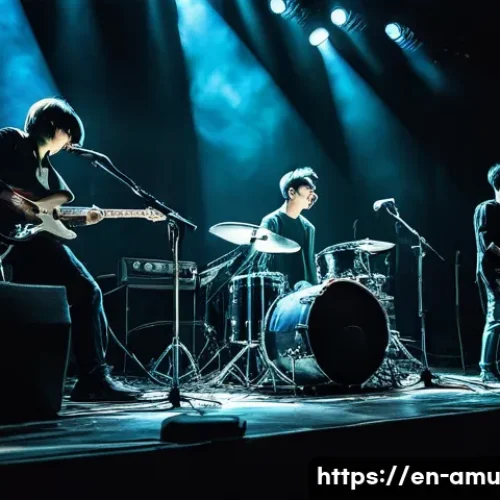
Imagine the ethereal beauty of traditional gambus or qasidah, now infused with the energetic pulse of pop, the intricate rhythms of jazz, or even some cool electronic vibes!

This isn’t just music; it’s a cultural phenomenon that’s drawing in a whole new generation, showing how faith can be expressed in truly dynamic and innovative ways.

Artists are masterfully blending ancient instruments with modern production, creating a unique sonic tapestry that’s both deeply rooted and refreshingly fresh.

I’ve personally found it absolutely fascinating to hear how these sounds can feel so reverent yet so utterly modern, proving that spiritual music is anything but static.

This trend is not only preserving a vital part of Indonesia’s heritage but also redefining what religious music can be in our rapidly changing world. It’s truly inspiring!

Want to dive deeper into this melodic journey and discover the sounds that are reshaping spiritual expression across Indonesia? Let’s explore this captivating musical evolution together!

The Melodic Fusion of Faith and Future

인도네시아 종교 음악의 현대적 재해석 - **The Digital Santri**
    *   **Subject:** A young Indonesian woman, in her early twenties, wearing...

Bridging Generations with Sound

You know, when I first started digging into this, I was genuinely curious how deeply traditional spiritual music could truly blend with modern sounds without losing its essence. What I’ve found, and honestly, it’s been a revelation, is that it’s not just a blend; it’s a beautiful, thoughtful integration that respects the past while embracing the present. Artists aren’t just slapping a beat on an old chant; they’re meticulously weaving intricate traditional melodies and spiritual messages into contemporary genres like pop, jazz fusion, and even EDM. It’s like they’re saying, “Our faith is alive, and it speaks to us now, in our language, with our rhythms.” This approach feels so authentic, making these ancient texts and prayers resonate with a younger audience who might otherwise feel disconnected from more rigid, traditional forms. I’ve personally experienced moments where a soaring gambus melody, underpinned by a slick, modern bassline, has given me goosebumps. It’s a powerful reminder that spirituality isn’t a static artifact; it’s a living, breathing experience that can evolve with us.

The Sonic Tapestry of Tradition and Innovation

What I find particularly fascinating about this movement is the incredible diversity within it. It’s not a one-size-fits-all approach to modernization. Some artists lean heavily into acoustic instruments, using traditional percussion and string instruments like the gambus or oud, but arranging them in incredibly sophisticated, contemporary ways that wouldn’t feel out of place on a world music chart. Others are experimenting with electronic soundscapes, using synthesizers and digital effects to create truly ethereal and immersive experiences that transport you. I’ve heard qasidah choirs, traditionally known for their powerful, harmonious vocals, now performing over subtle, ambient electronic beds, which creates a truly mesmerizing effect. This willingness to explore and innovate, all while maintaining a deep reverence for the spiritual text and context, is what makes Indonesian religious music so incredibly vibrant right now. It’s a testament to the creativity and spiritual depth of the artists involved, and I can honestly say, as someone who listens to a lot of music, it’s unlike anything else out there.

Ancient Echoes, Modern Rhythms: A Spiritual Renaissance

Revitalizing Sacred Texts Through Contemporary Lenses

One of the most profound aspects of this spiritual renaissance is how it’s breathing new life into sacred texts and traditional prayers. For centuries, these devotional songs and verses have been passed down, often unchanged, but now, artists are finding innovative ways to present them, making them accessible and engaging for a modern ear. It’s not just about the music; it’s about the message. By setting ancient poetry to fresh melodies and contemporary arrangements, they’re inviting people, especially younger generations, to rediscover the beauty and wisdom embedded within their spiritual heritage. I’ve seen firsthand how these reinterpretations spark conversations and inspire deeper engagement with faith. It’s a fantastic way to keep cultural and religious knowledge vibrant and relevant in a fast-paced world. Personally, I find it incredibly moving when I recognize a familiar prayer or philosophical verse presented in a completely new, yet respectful, musical context. It feels like a bridge, connecting my daily life to something timeless and profound.

The Role of Technology in Preserving and Propagating Faith

It’s impossible to talk about the modernization of Indonesian religious music without acknowledging the crucial role of technology. Digital recording, production software, and online platforms have truly democratized the creation and distribution of this music. Independent artists, who might never have had the opportunity to reach a wider audience in the past, can now share their unique interpretations with the world. Social media, YouTube, and streaming services are acting as vital conduits, allowing these sounds to travel far beyond Indonesia’s borders. I’ve spent countless hours on various platforms discovering new artists and feeling part of a global community appreciating this genre. This technological embrace not only helps preserve these artistic expressions for future generations but also allows for an incredible cross-pollination of ideas and styles. It’s a powerful example of how modern tools can serve ancient traditions, creating a dynamic feedback loop that constantly pushes the boundaries of what’s possible in spiritual music.

Advertisement

The Innovators: Artists Redefining Sacred Sound

Spotlight on Visionary Musicians

Let’s talk about the incredible talents driving this movement. These aren’t just musicians; they’re cultural architects, blending deep spiritual understanding with cutting-edge musicality. From what I’ve observed, many of these artists have a strong foundation in traditional Indonesian music, often having grown up immersed in their local religious communities and musical practices. But they also possess a keen ear for global sounds and contemporary production techniques. They’re not afraid to experiment, to take risks, and to challenge preconceived notions of what religious music “should” sound like. I’ve been so impressed by their willingness to innovate, pushing boundaries while always maintaining a profound respect for the spiritual core of their work. Think of artists who are bringing in elements of jazz improvisation, or even subtle electronic textures, all while keeping the lyrical focus firmly on devotion and introspection. It’s this dedication to both artistic excellence and spiritual authenticity that makes their work so compelling and, frankly, so addictive to listen to.

From Local Stages to Global Platforms

It’s truly inspiring to see how these visionary musicians are transitioning from performing in local mosques or community gatherings to gaining recognition on global stages. The internet, as I mentioned, has been a game-changer, but it’s also the sheer quality and uniqueness of their sound that’s capturing international attention. Music festivals, world music circuits, and even mainstream media are beginning to take notice of the rich, diverse tapestry of Indonesian religious music. This exposure not only benefits the artists by broadening their reach but also introduces a wider audience to the beauty and depth of Indonesian culture and spirituality. I’ve personally recommended several of these artists to friends from different backgrounds, and the feedback has been overwhelmingly positive – people are genuinely moved and fascinated by what they hear. It’s proof that authentic expression, regardless of its origin, has a universal appeal and can truly transcend cultural barriers.

Beyond the Madrasah: How Youth Are Embracing New Devotional Tunes

The Youth Movement: A Fresh Perspective on Faith

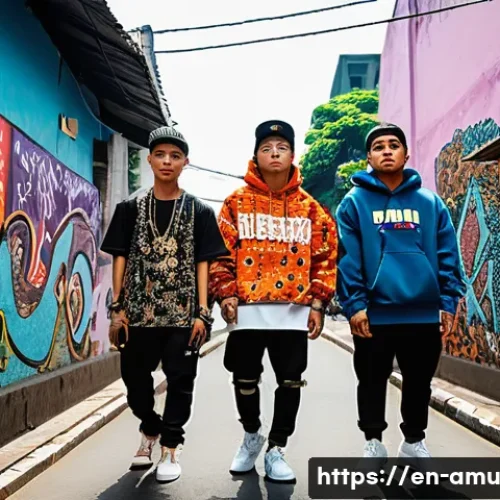
This isn’t just a niche genre; it’s genuinely resonating with the youth in Indonesia, and I think that’s one of the most exciting aspects of this entire movement. Gone are the days when religious music was solely associated with older generations or formal settings. Young people are actively seeking out and creating music that reflects their faith in a way that feels modern, relatable, and authentic to their experiences. They’re not shying away from contemporary beats or musical structures; instead, they’re using them as vehicles to express their devotion, their hopes, and their questions. I’ve seen countless videos of young Indonesians sharing their own renditions of these modern religious songs, often with incredible passion and talent. It signals a shift, a new era where faith expression is vibrant, personal, and dynamically evolving. For me, witnessing this youthful embrace really underscores the genuine impact and cultural significance of what these artists are doing.

Social Media and the Spread of Spiritual Inspiration

If you want to see where the pulse of this movement truly lies, just hop onto social media. Platforms like Instagram, TikTok, and YouTube are brimming with content related to modern Indonesian religious music. Artists use these channels to share snippets of new songs, behind-the-scenes glimpses of their creative process, and connect directly with their audience. More importantly, it’s where fans themselves are sharing, remixing, and creating their own content inspired by this music. Short-form videos often feature these tracks, accompanying everything from daily vlogs to heartfelt messages of faith. This organic spread is invaluable; it builds community, fosters engagement, and introduces the music to people who might not actively seek out “religious” genres. It’s truly a testament to how modern communication tools can be repurposed for spiritual growth and connection, making faith a dynamic, shared experience.

Advertisement

Unlocking the Global Appeal: Indonesian Religious Music’s Rising Star

Transcending Borders with Universal Themes

What I find absolutely incredible is how this genre, rooted so deeply in Indonesian culture and Islamic traditions, is managing to captivate audiences far beyond its geographical and religious boundaries. It really speaks to the universal human experience of spirituality, longing, and hope. Even if you don’t understand the Indonesian lyrics or the specific Islamic prayers, the emotional depth, the intricate melodies, and the sheer musicality are undeniable. I’ve personally introduced this music to friends from diverse cultural and religious backgrounds, and time and again, they’re moved by its beauty and sincerity. It’s proof that art, when created with genuine passion and skill, can truly transcend any perceived barriers. This global resonance isn’t just a happy accident; it’s a reflection of the artists’ ability to craft music that touches the soul, regardless of one’s background.

Building Bridges Through Sound and Culture

인도네시아 종교 음악의 현대적 재해석 - **Harmonic Convergence: Stage Performance**
    *   **Subject:** An intergenerational and diverse mu...

This rising global appeal isn’t just about music; it’s about cultural diplomacy through sound. As more people discover and appreciate Indonesian religious music, they also gain a deeper understanding and appreciation for Indonesian culture, its rich history, and the spiritual values that shape it. It offers a nuanced perspective that goes beyond typical headlines, presenting a vibrant, creative, and deeply spiritual side of Indonesia. I believe that music has this unparalleled power to build bridges between different cultures and faiths, fostering empathy and mutual respect. When you listen to these artists, you’re not just consuming entertainment; you’re embarking on a journey of discovery, learning about a worldview that might be different from your own, but one that ultimately connects us all through shared human experiences of faith and beauty. It’s a powerful and positive exchange that enriches everyone involved.

My Personal Journey into Indonesia’s Soulful Soundscape

A Serendipitous Discovery

You know, some discoveries just hit you differently. For me, diving into modern Indonesian religious music was one of those moments. I stumbled upon a playlist one evening, just looking for something fresh, and a track with a mesmerizing blend of traditional vocalizations and a surprisingly modern chill-out beat caught my ear. Honestly, I wasn’t expecting it to be ‘religious music,’ but as I listened, I was completely captivated by the profound sense of peace and contemplation it evoked. It was unlike anything I’d ever heard – deeply spiritual yet entirely contemporary. I spent hours that night just falling down a rabbit hole, exploring different artists and styles. It felt like uncovering a hidden gem, a secret garden of sound that was both ancient and brand new. That initial, almost accidental, discovery really kicked off what has become a fascinating ongoing exploration for me.

The Unforeseen Impact on My Own Playlist

Since that initial plunge, this genre has carved out a significant, and perhaps unexpected, space in my daily listening habits. I find myself reaching for these tracks when I need to focus, when I’m looking for a moment of calm, or even when I’m just looking for something genuinely unique to listen to during a workout. It’s become a go-to for setting a reflective mood, and the complexity of the arrangements means there’s always something new to discover with each listen. What’s truly remarkable is how seamlessly it blends with other genres in my library; sometimes I’ll have a jazz track followed by a modern qasidah, and it just works. It’s certainly expanded my appreciation for how diverse and innovative spiritual music can be, proving that ‘devotional’ doesn’t mean ‘dated.’ My playlists have never been more interesting, thanks to the soulful sounds of Indonesia.

Advertisement

Crafting the Sound: Instruments Old and New in Harmony

The Symphony of Traditional and Contemporary Tools

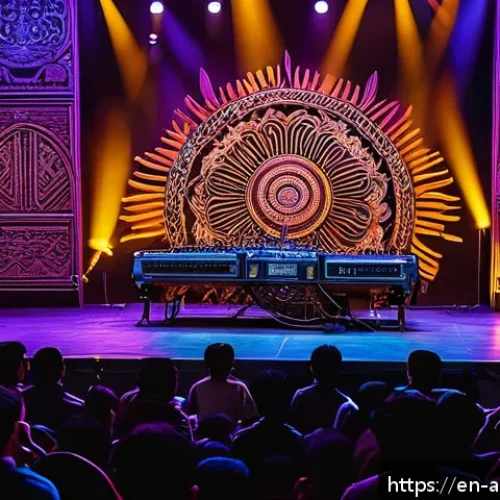
When you listen closely to these modern interpretations, you’ll often hear a fascinating interplay between ancient instruments and their modern counterparts. It’s not just about adding a drum machine; it’s a thoughtful dialogue. For instance, the delicate, often melancholic sounds of the suling (bamboo flute) might be layered over a contemporary synth pad, creating an ethereal and grounding effect simultaneously. The rich, resonant tones of the gambus or oud can provide the melodic backbone, enhanced by a modern bass guitar or subtle electronic textures. Artists are masterfully using effects pedals, looping stations, and digital sound processing to give these traditional instruments new voices and textures without losing their inherent character. I’ve been blown away by the creativity involved in making a centuries-old instrument sound fresh and relevant in a 21st-century production. It’s a true testament to the skill and vision of these musicians, who understand both the legacy of their instruments and the possibilities of modern technology.

The Sonic Palette: A Blend of Cultures

The beauty of this fusion also lies in the diverse sonic palette it creates. Indonesia itself is a melting pot of cultures, and this is reflected in its traditional instruments, many of which have roots across the Malay Archipelago, the Middle East, and even South Asia. When these instruments are then combined with Western musical structures, harmonies, and modern production techniques, the result is something truly unique. It’s not just an Indonesian sound or a Western sound; it’s a global sound, a new musical language that speaks to a diverse audience. I’ve noticed how some tracks incorporate subtle rhythmic complexities reminiscent of jazz, while others might have a vocal delivery that feels almost like a contemporary R&B ballad, all while maintaining that distinct Indonesian spiritual core. This cross-cultural dialogue through instruments and sounds is what makes this genre so endlessly fascinating and rich. It’s a sonic journey that truly expands your musical horizons.

The Business of Belief: Monetizing Modern Spiritual Expressions

Navigating the Digital Economy for Devotional Artists

It’s important to remember that for many of these incredible artists, this isn’t just a passion; it’s their livelihood. In today’s digital landscape, musicians are constantly looking for sustainable ways to share their art and earn a living. The good news is that the modernization of Indonesian religious music has opened up new avenues for monetization. Streaming platforms, digital album sales, and online concerts are providing crucial income streams. Furthermore, the strong community engagement these artists often foster leads to support through platforms like Patreon, where fans can directly contribute to their favorite creators. What’s more, the growing global interest in world music and spiritual genres means opportunities for licensing music for films, documentaries, and even advertising that seeks a unique, soulful sound. I’ve personally seen how a well-strategized online presence, combined with compelling content, can truly transform an artist’s reach and financial viability in this niche.

Creating Sustainable Futures for Spiritual Artistry

Ensuring a sustainable future for this rich genre requires more than just artistic talent; it demands smart business acumen and strategic planning. Many artists are now collaborating with cultural organizations, religious institutions, and even government bodies to secure funding, grants, and performance opportunities. There’s also a growing market for merchandise, from custom-designed apparel to unique physical album releases, that allows fans to connect more deeply with their favorite artists and support their work. Education also plays a huge role; workshops and masterclasses on traditional instruments or modern production techniques not only generate income but also help preserve and pass on invaluable musical knowledge to the next generation. It’s a holistic approach that combines creativity with business savvy, ensuring that this beautiful, evolving form of spiritual expression can thrive for years to come. I’m always looking out for artists who are not just making great music, but also building strong, sustainable careers around their unique craft.

Aspect Traditional Elements Modern Interpretations
Instruments Gambus, Suling, Rebana, Qanun, Vocal harmonies Synthesizers, Electric guitars/bass, Drum machines, Digital samplers, Keyboards
Musical Styles Qasidah, Gambus Melayu, Nasyid, Salawat, Hadrah Pop, R&B, Jazz Fusion, Ambient, Electronic Dance Music (EDM), Acoustic folk
Themes Praise to Allah, Prophetic narratives, Ethical teachings, Spiritual contemplation, Divine love Similar spiritual themes, but often with contemporary lyrical structures and broader appeals to universal human experience
Distribution Live performances, Cassettes, CDs (local markets), Religious gatherings Streaming platforms (Spotify, Apple Music), YouTube, Social media, Digital downloads, Online concerts
Audience Primarily local religious communities, Older generations Broader youth audience, Global listeners, World music enthusiasts, Diverse spiritual seekers
Advertisement

글을 마치며

Diving into the world of modern Indonesian religious music has truly been an eye-opener for me, and I sincerely hope it has been for you too. It’s more than just music; it’s a living, breathing testament to how deeply rooted faith can gracefully evolve, connecting ancient wisdom with contemporary beats. This journey has shown me that true artistry knows no bounds, blending tradition with innovation to create something utterly unique and profoundly moving. If you haven’t yet, I really encourage you to press play on some of these incredible artists; you might just find your new favorite soulful escape.

알아두면 쓸모 있는 정보

1. Start Your Exploration on Streaming Platforms: Many of these visionary Indonesian artists are readily available on global platforms like Spotify, Apple Music, and YouTube. Search for terms like “Indonesian spiritual music,” “modern qasidah,” or “contemporary nasyid” to begin your journey. You’ll be surprised by the rich variety that pops up!

2. Engage with Artist Communities Online: Follow your favorite artists on Instagram or TikTok. They often share behind-the-scenes glimpses, new releases, and even interact directly with their fans. This is a fantastic way to feel more connected to the music and the culture.

3. Listen for the Blend of Instruments: Pay close attention to how traditional instruments like the gambus or suling are expertly woven into modern arrangements with synthesizers and electric guitars. It’s a masterclass in musical fusion that adds incredible depth to the sound.

4. Discover the Universal Themes: Even if you don’t understand the language, the emotional depth and spiritual messages in this music are universally resonant. It’s about hope, devotion, and introspection – themes that truly transcend cultural barriers and can offer a sense of peace.

5. Support Independent Artists Directly: If you find an artist whose work truly moves you, consider supporting them through their official channels, whether it’s buying their digital album, attending an online concert, or even subscribing to their Patreon. It helps them continue creating this beautiful music for the world to enjoy.

Advertisement

중요 사항 정리

At its heart, modern Indonesian religious music is a vibrant cultural phenomenon that beautifully bridges ancient traditions with contemporary sounds. It’s characterized by its innovative fusion of traditional instruments and spiritual texts with modern genres, making faith accessible and engaging for a new generation. This genre is rapidly gaining global recognition, thanks to the ingenuity of artists who blend deep spiritual understanding with cutting-edge musicality, amplified by the power of digital platforms. It’s a testament to the fact that authentic artistic and spiritual expression can deeply resonate across cultures, fostering connection and mutual appreciation through its universal themes.

Frequently Asked Questions (FAQ) 📖

Q: I’m really intrigued! What exactly makes this new wave of Indonesian religious music so unique and different from what we might usually expect?

A: Oh, this is such a great question, and it’s where the magic truly happens! What makes this new wave of Indonesian religious music stand out is its incredible fusion.
We’re not just talking about traditional chants or hymns anymore. Imagine the soul-stirring melodies of traditional gambus or the rhythmic pulse of qasidah, now seamlessly blended with modern genres like pop, jazz, rock, or even electronic music.
It’s this masterful blend of ancient spiritual sounds with contemporary musical styles that creates something utterly fresh and deeply resonant. Artists are brilliantly incorporating traditional Indonesian instruments like the suling (bamboo flute) or kendang (drum) alongside electric guitars, synthesizers, and modern percussion.
From my experience, hearing the ethereal sound of a gamelan or a sasando weave through a catchy pop beat or a powerful rock anthem is just captivating.
It truly breaks down any preconceived notions about what spiritual music “should” sound like, proving that faith can be expressed in incredibly dynamic and innovative ways that speak to a wider, often younger, audience.

Q: This sounds incredible!

A: re there any specific artists or musical styles within this trend that you’d recommend checking out first, and where’s the best place to start listening?
A2: Absolutely! This is where the exploration gets super exciting. On the Islamic side, you’ll find a strong presence of “nasheed” and “qasidah modern,” which are evolving to include more pop and even rock elements.
Groups like Bimbo have a long-standing tradition, and contemporary artists might explore a Sufism approach like the band Debu. You’ll also find mainstream pop singers incorporating religious themes, making the spiritual message accessible to a broader audience.
For Christian spiritual music, often called “Indonesian worship music” or “lagu rohani,” artists like Sidney Mohede, Sari Simorangkir, and groups like JPCC Worship and GMS Live are incredibly popular.
Their music often blends contemporary Christian sounds with local Indonesian flavors, creating powerful and uplifting anthems. From my personal dives, YouTube is an absolute treasure trove for discovering these artists.
Just a quick search for “Indonesian Islamic pop” or “Indonesian worship music” will open up a whole new world. Spotify and other streaming platforms also have dedicated playlists, making it super easy to explore and find what truly resonates with your soul.

Q: Beyond just the music, what kind of impact is this evolution having, especially on younger generations in Indonesia and maybe even globally?

A: That’s a really insightful question, and it touches on something very important. From what I’ve observed and felt, this musical evolution is having a profound impact, especially on the youth.
Firstly, it’s breathing new life into traditional spiritual practices. By presenting religious messages and traditions in a contemporary, relatable format, it helps younger generations connect with their cultural and spiritual heritage in a way that feels authentic and modern, not outdated.
It’s a fantastic way to preserve and evolve an essential part of Indonesia’s rich cultural tapestry. Secondly, it’s fostering a sense of pride and identity.
Young people can see their faith and culture celebrated in exciting new ways, making it cool and relevant. Globally, I believe this trend breaks down barriers and invites people from all walks of life to appreciate the beauty and diversity of spiritual expression.
It shows that music, regardless of its origin, has this incredible power to unite, inspire, and offer comfort. I’ve personally found it amazing how music can transcend language and cultural differences, allowing us to connect on a deeper, spiritual level.
It’s truly an inspiring example of how tradition and modernity can not only coexist but thrive beautifully together.