7 Game-Changing Trends Shaping Southeast Asia’s Hip Hop Revolution Today

webmaster

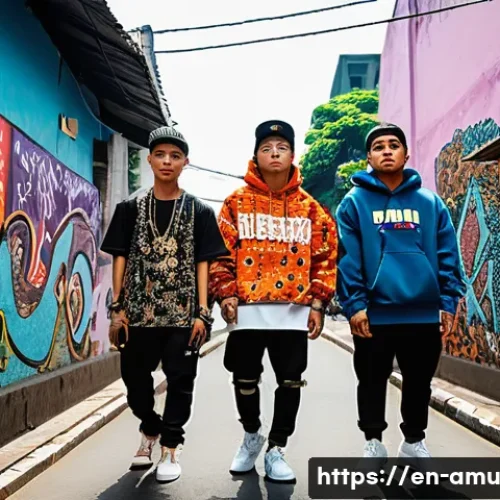
동남아시아 힙합 트렌드 - A dynamic street scene in Jakarta featuring young Southeast Asian hip-hop artists wearing vibrant st...

Southeast Asia’s hip-hop scene has been evolving at an electrifying pace, blending local culture with global beats to create something truly unique. From the bustling streets of Jakarta to the vibrant nightlife in Manila, artists are pushing boundaries and gaining international recognition.

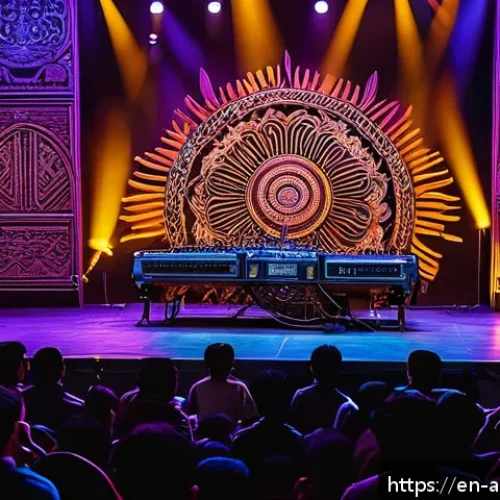
동남아시아 힙합 트렌드 관련 이미지 1

This wave of creativity is not just about music; it’s a powerful expression of identity, social issues, and youthful energy. As the genre continues to grow, it’s reshaping the region’s cultural landscape and capturing the attention of global audiences.

Let’s dive in and explore the dynamic world of Southeast Asian hip-hop in detail!

Emerging Voices Shaping the Scene

Local Storytelling Meets Global Flow

One of the most captivating aspects of Southeast Asian hip-hop is how artists weave their local stories into beats inspired by worldwide trends. Rappers from places like Bangkok and Ho Chi Minh City are not just mimicking Western hip-hop; they’re infusing it with their unique cultural narratives, dialects, and social commentary.

This fusion creates a sound that feels both fresh and deeply rooted. When I first heard a track blending traditional instruments like the gamelan with trap beats, it struck me as a bold yet authentic expression, showing how these artists honor their heritage while pushing musical boundaries.

Youth Culture Driving Innovation

Youth in Southeast Asia are at the forefront of this movement, using hip-hop as a tool for self-expression and social change. Their energy is palpable, often reflected in the raw and unfiltered lyrics tackling themes like economic hardship, political unrest, and identity struggles.

What’s fascinating is how social media platforms have amplified their voices beyond national borders, enabling collaborations that cross islands and countries.

From Manila’s underground shows to Jakarta’s street cyphers, the vibrancy of young creators is undeniable, and their relentless drive is shaping the genre’s future.

Breaking Language Barriers

Many artists mix English with local languages, creating a hybrid linguistic style that resonates widely. This code-switching not only broadens their audience but also adds layers of meaning to their songs.

I noticed that songs featuring multiple languages often carry a stronger emotional impact, as they mirror the lived realities of multilingual communities.

It’s a clever way to stay true to one’s roots while engaging with global listeners who might be drawn in by the catchy hooks or the rhythmic flow, regardless of whether they understand every word.

Advertisement

Innovative Sounds and Production Techniques

Blending Traditional Instruments with Modern Beats

Southeast Asian producers are pushing sonic boundaries by incorporating indigenous instruments into contemporary hip-hop production. The integration of instruments like the kulintang, angklung, or đàn tranh adds a distinctive texture that’s instantly recognizable.

I personally found that these elements don’t just serve as mere background sounds; they often carry cultural significance that enriches the storytelling.

This innovative approach not only distinguishes the region’s hip-hop from other global scenes but also educates listeners about its rich musical heritage.

The Rise of DIY Studios and Home Producers

With affordable technology becoming more accessible, many artists are producing music independently in home studios. This democratization has led to a surge in creative output and experimentation.

When I chatted with a few local producers, they shared how they rely on digital audio workstations and online tutorials to perfect their craft without needing expensive equipment or big-label backing.

This grassroots production culture fosters authenticity and allows more voices to emerge, further diversifying the soundscape of Southeast Asian hip-hop.

Collaborative Cross-Border Projects

Thanks to the internet and streaming platforms, artists across countries are increasingly collaborating, blending different cultural sounds and styles.

These partnerships often result in tracks that reflect a pan-Asian identity, highlighting shared experiences while celebrating diversity. I’ve noticed that collaborations not only expand audiences but also foster a sense of community among artists who might otherwise remain isolated within their local scenes.

This synergy is fueling the rapid evolution and international appeal of the genre.

Advertisement

Fashion and Visual Culture Influences

Streetwear as a Form of Identity

Hip-hop’s influence extends far beyond music; it’s deeply embedded in the fashion choices of Southeast Asian youth. Streetwear brands inspired by both local traditions and global trends have become a powerful statement of identity and belonging.

Observing local artists, I’ve seen how their style often reflects a blend of Western hip-hop aesthetics with indigenous motifs and textiles, creating a unique visual language.

This fusion not only reinforces their cultural pride but also attracts attention from international fashion circles, opening up new avenues for exposure and monetization.

Music Videos as Cultural Showcases

Visual storytelling in music videos plays a crucial role in amplifying the impact of hip-hop tracks. Many Southeast Asian artists use their videos to highlight local landmarks, fashion, and social issues.

I recall watching a video set in the crowded streets of Kuala Lumpur that brilliantly juxtaposed vibrant urban life with subtle nods to traditional customs.

These visual narratives deepen the connection with local fans while intriguing global viewers, enhancing both engagement and shareability.

Social Media and Visual Branding

Artists are leveraging platforms like Instagram, TikTok, and YouTube not just to promote music but to build comprehensive personal brands. They carefully curate their online presence to reflect authenticity, style, and social consciousness.

From behind-the-scenes studio clips to fashion shoots and political commentary, these visual elements create a multidimensional connection with fans. In my experience, this strong digital branding is key to sustaining long-term interest and generating revenue through sponsorships and merchandise sales.

Advertisement

동남아시아 힙합 트렌드 관련 이미지 2

Impact on Social Movements and Youth Empowerment

Hip-Hop as a Voice for Change

Many Southeast Asian hip-hop artists use their platform to address pressing social issues, from corruption to inequality. Their lyrics often serve as rallying cries that resonate with disenfranchised youth.

I’ve been moved by songs that courageously confront taboos and challenge authority, demonstrating how hip-hop can be a catalyst for dialogue and activism.

This role has earned the genre respect beyond entertainment, positioning it as a vital part of the region’s socio-political landscape.

Community Building Through Music

Hip-hop gatherings, whether in clubs, street performances, or online spaces, foster a strong sense of community among young people. These events provide safe spaces for expression and solidarity, crucial in societies where dissent can be risky.

From my observations at several underground shows, the energy is electric, with artists and fans supporting one another. This collective spirit not only nurtures creativity but also empowers individuals to envision and work towards societal change.

Mentorship and Education Initiatives

Some established artists are giving back by mentoring emerging talents and organizing workshops that teach music production and lyricism. These programs are essential for sustaining the scene and ensuring diverse voices continue to emerge.

I’ve seen firsthand how such initiatives inspire confidence and skill development, especially among marginalized groups. The ripple effect of this mentorship strengthens the entire hip-hop ecosystem, making it more inclusive and resilient.

Advertisement

Commercial Growth and Global Recognition

Major Festivals and International Collaborations

Southeast Asian hip-hop is gaining traction on the global stage through music festivals and cross-continental partnerships. Events like Urbanscapes in Malaysia and Fête de la Musique in the Philippines showcase the genre to international audiences, attracting industry attention.

I’ve attended a few of these festivals, and the palpable excitement around local acts sharing the bill with global stars is a testament to the scene’s rising prominence.

Such exposure is crucial for artists seeking to expand their reach and monetize their craft.

Streaming Platforms Driving Exposure

Platforms like Spotify, Apple Music, and YouTube have become indispensable tools for Southeast Asian hip-hop artists. They enable instant access to a worldwide audience without traditional gatekeepers.

From my experience analyzing streaming trends, tracks that blend local flavors with catchy hooks tend to perform well internationally, leading to increased revenue through ad-supported plays and premium subscriptions.

Understanding these platforms’ algorithms and audience behavior is key for artists aiming to maximize their visibility and earnings.

Brand Partnerships and Endorsements

As the genre grows, so does corporate interest. Brands seeking to connect with youth culture are partnering with hip-hop artists for endorsements, events, and product collaborations.

I’ve noticed that these deals often provide artists with financial stability while allowing brands to tap into authentic cultural movements. However, maintaining artistic integrity remains crucial; the most successful partnerships feel organic and mutually beneficial rather than purely transactional.

Advertisement

Regional Hip-Hop Trends at a Glance

Country Notable Artists Distinctive Styles Key Themes Popular Platforms
Indonesia Rich Brian, Ramengvrl Trap with traditional gamelan samples Identity, social inequality Spotify, YouTube
Philippines Gloc-9, Shanti Dope Storytelling rap with Tagalog-English mix Political issues, youth struggles Facebook, TikTok
Thailand F.HERO, D Gerrard Melodic rap with local instruments Love, street life Instagram, YouTube
Vietnam Suboi, Binz East-meets-West fusion beats Modernity vs tradition Spotify, TikTok
Malaysia Zion.T, Altimet Conscious rap with urban beats Social change, culture SoundCloud, Instagram
Advertisement

In Conclusion

Southeast Asian hip-hop is a vibrant, evolving force that blends rich local traditions with global influences. The artists’ creativity and resilience shine through their unique sounds, storytelling, and cultural pride. This dynamic scene not only entertains but also empowers youth and fosters social change. As the genre continues to grow, it promises exciting innovations and wider recognition on the world stage.

Advertisement

Useful Information to Keep in Mind

1. Southeast Asian hip-hop uniquely combines traditional instruments with modern beats, creating fresh and culturally rich music experiences.
2. Youth-driven creativity and social media platforms are key factors expanding the reach and impact of this genre beyond local boundaries.
3. Multilingual lyrics and code-switching enhance emotional depth and broaden audiences by reflecting real-life language use.
4. Independent home studios and DIY production empower emerging artists to create authentic music without relying on major labels.
5. Collaborations across countries and brand partnerships are fueling the commercial growth and international appeal of Southeast Asian hip-hop.

Advertisement

Key Takeaways

Southeast Asian hip-hop stands out for its fusion of local culture and global trends, driven by passionate young artists who use music as a platform for expression and change. The scene thrives on innovation, from blending traditional sounds to leveraging digital tools and social media for broader exposure. Community-building, mentorship, and socially conscious themes strengthen the genre’s impact beyond entertainment. As commercial opportunities grow, maintaining authenticity remains essential to sustaining this vibrant movement.

Frequently Asked Questions (FAQ) 📖

Q: What makes Southeast

A: sian hip-hop unique compared to Western hip-hop? A1: Southeast Asian hip-hop stands out because it blends traditional local sounds, languages, and cultural themes with modern hip-hop beats.
Artists often incorporate indigenous instruments, native dialects, and stories rooted in their communities, which gives the music a distinct flavor you won’t find in Western hip-hop.
This fusion not only preserves cultural identity but also resonates deeply with regional audiences, creating a fresh and authentic vibe that’s gaining global attention.

Q: How are Southeast

A: sian hip-hop artists addressing social issues in their music? A2: Many artists use hip-hop as a platform to highlight social challenges such as inequality, political struggles, and youth empowerment.
Their lyrics often reflect real-life experiences, from navigating poverty to fighting for freedom of expression. This makes their music not just entertaining but also a form of activism.
Listening to their tracks, you can feel the passion and urgency behind their messages, which helps build a strong connection with listeners who share similar concerns.

Q: Which cities in Southeast

A: sia are considered hotspots for the hip-hop scene? A3: Cities like Jakarta, Manila, Bangkok, and Kuala Lumpur have become vibrant hubs for hip-hop culture.
These urban centers boast thriving underground scenes, dedicated venues, and passionate fan bases. For example, Jakarta’s street artists are known for their innovative style, while Manila’s nightlife offers numerous spots where emerging rappers can perform and collaborate.
These cities act as incubators for talent, helping artists break into both regional and international markets.

📚 References


➤ Link

– Google Search

➤ Link

– Bing Search

➤ Link

– Google Search

➤ Link

– Bing Search

➤ Link

– Google Search

➤ Link

– Bing Search

➤ Link

– Google Search

➤ Link

– Bing Search

➤ Link

– Google Search

➤ Link

– Bing Search

➤ Link

– Google Search

➤ Link

– Bing Search

➤ Link

– Google Search

➤ Link

– Bing Search
Advertisement