
Hey everyone! As an avid traveler and music lover, I’ve stumbled upon something truly magical that I just have to share with you all. Imagine a place where ancient rhythms effortlessly intertwine with vibrant, modern beats, creating a soundscape unlike anything you’ve heard before.

That’s exactly what’s happening in Cambodia, a nation beautifully weaving its rich traditional music with contemporary influences. This captivating fusion isn’t just about blending instruments; it’s a powerful narrative of cultural evolution, an auditory journey that has personally left me completely spellbound.
If you’re curious to explore how a country’s soul can be expressed through groundbreaking musical artistry, then you’re in for an absolute treat. Let’s explore this fascinating world together.
The Resurgence of Ancient Khmer Rhythms
There’s something truly enchanting about the traditional music of Cambodia, a sound that has captivated me since my first visit. It’s not just music; it’s a living, breathing history, an audible link to the grandeur of the Angkorian empire. I remember sitting in a quiet village outside Siem Reap, listening to an elderly master play the *chapei dang veng*, a long-necked lute, and feeling the stories of generations wash over me. The raw, emotive power of these instruments is astounding. What’s truly exciting now is seeing how these ancient sounds are not merely preserved, but actively revitalized and reinterpreted. Young Cambodian musicians, driven by a profound respect for their heritage and an innovative spirit, are breathing new life into instruments like the *roneat*, a bamboo xylophone, and the *sralai*, a double-reed pipe, integrating them into fresh compositions that feel both timeless and incredibly contemporary. It’s a testament to the resilience and creative genius of a culture that has faced immense challenges, yet continues to express its vibrant soul through every note. This isn’t just a trend; it’s a deep-seated movement to ensure that the unique soundscape of Cambodia continues to evolve and resonate for future generations, inspiring pride and connection among young Cambodians who might otherwise lean solely into global pop culture. I’ve witnessed firsthand how this revival creates a magnetic pull, drawing in curious listeners from around the globe who are eager to experience music with such profound historical roots.
The Soul of the Roneat and Its Modern Echoes
The *roneat*, particularly the *roneat ek* (leading xylophone) and *roneat thung* (bass xylophone), has always struck me as the melodic heart of Cambodian classical ensembles. Its rich, percussive tones can evoke everything from solemn reverence to playful exuberance. What’s utterly fascinating is how contemporary artists are taking this instrument and pushing its boundaries. I’ve seen musicians experiment with electronic effects on the *roneat*, creating ethereal soundscapes that wouldn’t feel out of place in a modern ambient track. Others are using its distinct timbre in hip-hop beats, adding an unmistakably Cambodian flavor to genres traditionally dominated by Western sounds. It’s not about forcing a fit; it’s about recognizing the inherent versatility and beauty of the *roneat* and allowing it to speak in new contexts. My personal take? This fusion makes the music incredibly accessible to a younger audience, bridging the gap between historical understanding and modern enjoyment. When you hear a traditional *roneat* melody woven into a contemporary piece, it creates a unique listening experience that keeps you engaged, making you want to delve deeper into its origins.
Tro and Chapei: Voices of the Ancestors in New Harmonies
The *tro*, a three-stringed fiddle, and the *chapei dang veng*, that magnificent long-necked lute, are often considered the narrative instruments, traditionally used to accompany storytelling and folk songs. Their melancholic and often improvisational melodies carry the weight of history and personal expression. I once attended a performance where a young artist seamlessly blended the haunting strains of the *tro* with a live electronic loop, creating a mesmerizing tapestry of sound that felt deeply emotional and undeniably innovative. The *chapei*, with its complex fingerpicking and rich harmonics, is finding its way into acoustic folk-rock arrangements, adding a soulful, introspective layer that modern guitars simply can’t replicate. It’s a powerful statement, telling listeners that these instruments are not relics of the past but living, breathing entities capable of expressing modern sentiments and emotions. Through this innovation, artists are not only honoring their heritage but also forging new pathways for these venerable instruments to thrive, ensuring that their unique voices continue to resonate loudly in the global musical conversation. It’s a compelling journey that makes you truly appreciate the depth and adaptability of Cambodian musical traditions.
Blending Worlds: Modern Artists and Traditional Melodies
The magic truly happens when you see how Cambodian artists aren’t just preserving their past, but actively creating a future where tradition and innovation dance together. I’ve been incredibly impressed by the sheer creativity and courage these musicians display, pushing boundaries without losing sight of their roots. It’s like watching a master chef take ancient, treasured ingredients and whip up something entirely new and delightful. These artists understand that fusion isn’t about diluting tradition; it’s about enriching it, expanding its reach, and showing its inherent flexibility. They’re not afraid to experiment with electronic beats, contemporary vocal styles, and Western harmonic structures, all while keeping the distinctive essence of Khmer music intact. This thoughtful integration often results in music that is both deeply moving and incredibly catchy, perfect for a global audience. For me, witnessing this process firsthand—from small studio sessions in Phnom Penh to vibrant live performances—has been an absolute revelation, underscoring the universal language of music and Cambodia’s unique contribution to it. It’s this thoughtful, often painstaking, process that makes their output so authentic and captivating.
Digitalizing the Dharma: Traditional Sounds in Electronic Music
One of the most striking developments I’ve encountered is the embrace of electronic music by Cambodian artists who skillfully weave in traditional samples. Imagine the ethereal sound of a *kham* (gong) or a snippet of a traditional folk chant layered over a pulsating EDM beat. It sounds audacious, right? But the results are often breathtaking. These artists aren’t just dropping sounds; they’re meticulously crafting compositions that respect the original context of the samples while imbuing them with a modern energy. I’ve heard tracks that use the rhythmic patterns of traditional drumming as the foundation for trance music, or the melodic phrases of classical court music as haunting synth lines. This isn’t just about cool sounds; it’s about finding new audiences for ancient stories and spiritual concepts, packaging them in a way that resonates with a generation accustomed to digital soundscapes. It truly expands the emotional and sonic palette, allowing listeners to experience Cambodian culture through a fresh, invigorating lens. I’ve found these tracks incredibly powerful, often prompting me to seek out the original traditional pieces for deeper understanding. It’s a clever way to draw people in.
Hip-Hop with a Heritage: Rhymes and Rhythms from Cambodia
Cambodian hip-hop is a burgeoning scene that’s absolutely exploding with creativity, and it’s another fantastic example of fusion done right. What sets it apart is the way artists integrate traditional Khmer instruments, linguistic nuances, and cultural references into their rhymes and beats. I’ve listened to rappers who effortlessly flow over beats featuring the distinct plucking of the *chapei* or the percussive clack of the *skor thom* drums. Their lyrics often tackle contemporary social issues, historical reflections, and personal narratives, all delivered with an unmistakable Cambodian swagger. This isn’t simply copying Western hip-hop; it’s an authentic expression of Cambodian identity within a global genre. The use of traditional melodic structures or instrumental breaks creates a unique texture that’s both familiar and exotic, drawing you in. It’s fascinating to see how these artists use their music not just for entertainment, but as a platform for social commentary and cultural pride, resonating deeply with young Cambodians. I’ve personally seen how a well-placed traditional sample can elevate a track, making it truly unforgettable and distinctly Cambodian.
Beyond the Angkorian Echoes: Cambodia’s Global Soundscape
For too long, Cambodia’s rich cultural narrative, including its music, was largely viewed through the lens of its magnificent ancient temples, particularly Angkor Wat. While these historical marvels are undeniably vital, what truly excites me is seeing Cambodian music break free from solely being an “ancient relic” and making significant waves on the international stage as a vibrant, contemporary force. This global recognition isn’t just a fleeting trend; it’s a testament to the incredible talent and innovative spirit of Cambodian artists who are creating sounds that resonate universally while proudly retaining their unique identity. I’ve personally followed the journey of several Cambodian acts, from small independent releases to headlining international festivals, and the sheer joy and pride I feel watching them share their culture with the world is immeasurable. It shows that good music, authentic expression, and a powerful story can transcend any language barrier or geographical distance, truly connecting people through shared human experience. This expansion isn’t just good for the artists; it elevates the entire cultural profile of Cambodia, encouraging tourism and investment in its creative industries.
Festivals and Collaborations: Sharing Cambodian Sound with the World
One of the most effective ways Cambodian music is reaching a global audience is through participation in international music festivals and collaborative projects. I’ve seen Cambodian traditional dance troupes perform alongside contemporary electronic artists at European festivals, creating mesmerizing cross-cultural spectacles. Musicians from Cambodia are increasingly collaborating with artists from diverse backgrounds – from jazz musicians in New York to folk singers in Scandinavia – resulting in truly unique and boundary-pushing recordings. These collaborations aren’t just about making interesting music; they’re about fostering cultural exchange, breaking down stereotypes, and building bridges of understanding. When you see a Cambodian *tro* player improvising with a Western celloist, you’re witnessing a beautiful dialogue between different musical traditions, a conversation that enriches both. I’ve had the privilege of attending some of these collaborative concerts, and the energy in the room is always electric, a palpable sense of shared discovery and mutual respect. It’s a fantastic way for Cambodian artists to gain exposure and for global audiences to discover the depth and versatility of Khmer musical artistry, making for an unforgettable experience.
Online Platforms: A New Stage for Cambodian Artists
The internet has truly revolutionized how Cambodian artists share their music with the world. Platforms like YouTube, Spotify, and Bandcamp have become invaluable stages, allowing musicians to bypass traditional gatekeepers and connect directly with listeners globally. I’ve spent countless hours diving into playlists featuring Cambodian indie artists, discovering hidden gems and groundbreaking tracks that I might never have heard otherwise. These platforms enable artists to build international fan bases, showcase their fusion experiments, and even generate revenue through streaming and digital sales. It’s a powerful tool for cultural dissemination, allowing anyone, anywhere, to experience the vibrant tapestry of Cambodian sound. Moreover, it empowers artists in Cambodia, giving them a voice and a platform that was unimaginable just a couple of decades ago. This direct access means more exposure, more opportunities for collaborations, and ultimately, a stronger and more diverse Cambodian music scene. For someone like me who loves to explore new sounds, these online repositories are a treasure trove, constantly revealing new facets of Cambodia’s evolving musical identity.
A Nation’s Soundtrack: Music as a Pillar of Identity
Music in Cambodia is far more than just entertainment; it’s a profound cultural bedrock, intrinsically woven into the fabric of national identity. After experiencing the country’s journey and engaging with its people, I’ve come to understand that every note, every rhythm, carries the weight of history, resilience, and hope. It’s a testament to the enduring spirit of a nation that has faced unimaginable hardships, yet continues to express its vibrant soul through melody and harmony. When you listen to Cambodian music, whether traditional or modern, you’re not just hearing sounds; you’re hearing the echoes of ancient civilizations, the whispers of resilience from darker times, and the optimistic pulse of a nation rebuilding and reimagining itself. This deep connection means that the fusion of traditional and modern music isn’t just an artistic choice; it’s a cultural imperative, a way for a nation to reaffirm who it is in a rapidly changing world. It’s a powerful way for young Cambodians to connect with their heritage while simultaneously embracing global influences, crafting an identity that is both unique and universally understood. I find this aspect particularly moving, as it shows music’s incredible power to unify and express a collective spirit.
Preserving Identity Through Sound: A Cultural Imperative
The intentional preservation and adaptation of traditional music forms a crucial part of Cambodia’s efforts to maintain its unique cultural identity. I’ve observed various initiatives, both governmental and grassroots, focused on teaching younger generations traditional instruments and dance. This isn’t just about rote learning; it’s about instilling a sense of pride and connection to their heritage. When these young musicians then take their classical training and inject it into contemporary genres, they’re not merely creating new music; they’re actively strengthening the cultural narrative. The fusion acts as a living archive, ensuring that the essence of Khmer music continues to evolve and resonate in ways that are relevant to modern life. It’s a dynamic process that shows how culture is not static, but a continuous flow of adaptation and innovation. For instance, when traditional melodies are recontextualized in a pop song, it sparks curiosity among listeners, prompting them to explore the rich history behind the sound, thereby reinforcing cultural understanding. This proactive approach to cultural continuity is something I deeply admire, and it makes the music even more meaningful to me.
Healing Melodies: Music’s Role in Post-Conflict Resilience
It’s impossible to talk about Cambodian music without acknowledging its profound role in national healing and resilience, especially in the wake of tragic historical events. During and after the Khmer Rouge regime, much of Cambodia’s artistic heritage, including its musicians and instruments, was brutally decimated. The resurgence of music in recent decades is not merely an artistic revival; it’s a powerful act of defiance, a reclaiming of national soul. I’ve spoken with artists who share stories of how music became a form of therapy, a way to process trauma and express hope for the future. The very act of playing a traditional instrument, of teaching a classical melody, or of writing a new song that fuses old and new, is an affirmation of life and continuity. This emotional depth is what makes Cambodian music so incredibly potent. It carries the echoes of pain, but also the triumph of the human spirit. For me, this aspect adds an immense layer of respect and admiration for Cambodian artists, as their work transcends mere entertainment and becomes a profound statement of national resilience and hope. It’s an inspiring journey of recovery expressed through harmonious sound.
From Street Corners to Streaming: My Dive into Cambodian Music
My journey through Cambodia’s musical landscape has been an incredible adventure, full of unexpected discoveries and heartwarming encounters. It started quite organically, with me just wandering through local markets and bustling street corners, captivated by the sounds emanating from makeshift stages and open-air cafes. What quickly became apparent was the sheer diversity of musical expression, from the soulful laments of folk singers to the energetic beats of contemporary pop. I realized this wasn’t a singular, monolithic sound, but a vibrant tapestry constantly being woven and rewoven. I actively sought out live performances, often guided by local friends who knew exactly where to find the most authentic and innovative acts. This hands-on exploration, rather than just passively listening to a playlist, truly opened my eyes – and ears – to the depth of Cambodia’s musical soul. It’s a journey I’d recommend to anyone who loves music and wants to experience a culture through its most heartfelt expressions. You truly get a sense of the pulse of the nation when you immerse yourself in its soundscape, feeling the rhythms that move its people.
Unforgettable Live Performances: The Energy of Cambodian Stages
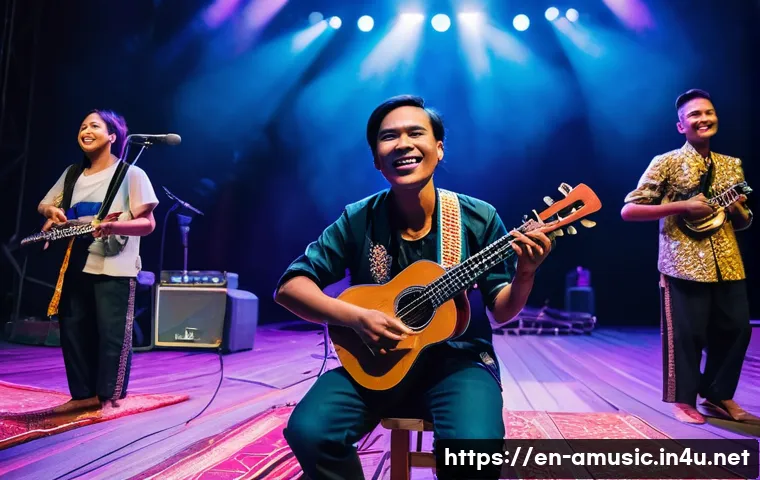
There’s nothing quite like experiencing Cambodian music live. I remember one evening in Phnom Penh, stumbling upon a small venue where a band was blending traditional *khim* (hammered dulcimer) melodies with jazz improvisation. The energy was electrifying! The way the audience swayed, clapped, and even sang along, transcended any language barrier. It felt less like a performance and more like a collective celebration of culture. Another time, I witnessed a classical Apsara dance accompanied by a modern orchestral arrangement, and it was absolutely breathtaking, a perfect marriage of ancient grace and contemporary grandeur. These live experiences have profoundly shaped my understanding and appreciation for Cambodian music. The raw talent, the palpable passion of the performers, and the enthusiastic response of the crowd all combine to create an atmosphere that’s truly unique and unforgettable. It’s moments like these that solidify my belief that Cambodian music isn’t just thriving; it’s absolutely exploding with creative energy, offering an incredibly rich experience for anyone lucky enough to witness it firsthand. These are the memories that stay with you long after the music fades.
Discovering Hidden Gems: Artists You Need to Hear
Through my deep dives, I’ve had the pleasure of discovering some truly exceptional Cambodian artists who are pushing the boundaries of fusion. While I won’t name them all, I can tell you that the independent music scene is teeming with incredible talent. There are artists who seamlessly blend traditional folk with indie rock, creating introspective and catchy tunes that could easily chart globally. Others are experimenting with traditional vocal techniques over electronic soundscapes, producing hypnotic and ethereal tracks. The beauty of this scene is its accessibility; many artists are incredibly active on social media and streaming platforms, making it easy to discover their work. I’ve spent hours just going down rabbit holes, following recommendations and clicking through related artists, always finding something new and exciting. It’s a rewarding experience, knowing that you’re supporting emerging talent and witnessing a cultural movement unfold in real-time. If you’re looking to expand your musical horizons, I wholeheartedly encourage you to start exploring Cambodian artists – you’re in for a treat, and you’ll undoubtedly find some new favorites to add to your playlists.
| Traditional Instrument | Description | Role in Modern Fusion | Example Genre Fusion |
|---|---|---|---|
| Roneat (Xylophone) | Bamboo or wooden barred xylophone, often played in classical ensembles. | Provides melodic counterpoints, percussive elements, or rhythmic foundations. | EDM, Hip-Hop, Ambient Electronic |
| Chapei Dang Veng (Lute) | Long-necked, two-stringed lute used for storytelling and folk songs. | Adds soulful, acoustic textures; used for introspective melodies or rhythmic backing. | Acoustic Folk, Indie Rock, Jazz Fusion |
| Tro (Fiddle) | Three-stringed fiddle with a haunting, melancholic sound. | Creates ethereal leads, melodic improvisation, or dramatic atmospheric layers. | Trance, World Music, Cinematic Soundtracks |
| Skor Thom (Drums) | Large, barrel-shaped drums providing rhythmic backbone in classical music. | Offers powerful percussive drive, traditional rhythmic patterns, or sampled beats. | Hip-Hop, Dance Music, Rock |
| Khim (Dulcimer) | Hammered dulcimer with bright, shimmering tones. | Adds sparkling melodic flourishes, arpeggiated harmonies, or percussive accents. | Pop, New Age, Acoustic Fusion |
The Art of Storytelling Through Sound: Personal Discoveries
What has consistently struck me about Cambodian music, both traditional and its modern fusions, is its innate ability to tell a story. It’s not just about catchy melodies or intricate rhythms; it’s about conveying narratives, emotions, and the very essence of a culture through sound. I’ve found myself completely transported while listening to a piece, imagining ancient tales of gods and goddesses, or vividly picturing the bustling scenes of a modern Phnom Penh street. This narrative quality is something I deeply appreciate, as it makes the listening experience incredibly rich and engaging. It’s a living archive, where every instrument and every vocal inflection seems to carry a piece of history or a contemporary reflection. This tradition of storytelling through music makes it endlessly fascinating to explore, constantly revealing new layers of meaning with each listen. It’s a testament to the power of art to communicate across generations and cultures, inviting listeners into a deeper understanding of the human experience. My personal connection to this music stems from this profound ability to share universal stories through a uniquely Cambodian lens.
Ancient Lore and Modern Narratives: Bridging Time with Music
The beauty of Cambodian music is how it seamlessly bridges the vast expanse between ancient lore and modern narratives. Traditional pieces often recount epic poems, historical events, and moral fables, passing down wisdom through generations. What I find truly compelling is how contemporary artists are taking these age-old storytelling techniques and applying them to modern themes. They might use the structure of a traditional folk song to discuss urban life, or embed classical melodic motifs into a track addressing environmental concerns. This fusion creates a powerful dialogue between the past and present, showing that the core human experiences of love, loss, joy, and struggle remain timeless. It offers a unique cultural perspective on universal themes, making the music resonant with a global audience while firmly rooting it in Cambodian identity. It’s like finding a vintage photo album and seeing new pictures added that tell the story of today – familiar yet fresh. For me, this is where the true genius lies, in demonstrating the enduring relevance and adaptability of a rich cultural heritage to speak to current realities.
Emotional Resonance: My Deep Connection to Cambodian Melodies
Beyond the technical brilliance and cultural significance, Cambodian music has forged a deep emotional connection within me. There’s a particular quality to the melodies – sometimes melancholic, sometimes exuberantly joyful – that simply resonates with my soul. I’ve found myself moved to tears by the haunting beauty of a *tro* solo, and uplifted by the infectious energy of a modern Khmer pop track. This emotional authenticity is what makes the music so powerful and memorable. It’s not just background noise; it’s an experience that evokes a wide spectrum of feelings, drawing you into the heart of Cambodian culture. This personal resonance, I believe, is a testament to the universality of music as an emotional language. Even without understanding every lyric, the feeling conveyed by the instruments and voices speaks volumes. It’s a vivid reminder that some connections transcend words, and music is often the most direct path to understanding and empathy. These personal encounters with Cambodian music have truly enriched my life, offering a unique window into a vibrant and resilient culture that expresses itself so beautifully through sound.
Wrapping Up
As we wrap up our journey through the incredible world of Cambodian music, I hope you’ve felt the same excitement and deep connection that I have. It’s truly a testament to the resilience and vibrant creativity of a culture that continually reinvents itself while honoring its profound heritage. From the ancient rhythms echoing through the temples of Angkor to the pulsating beats of modern Phnom Penh, this music isn’t just sound; it’s a living narrative, full of stories, struggles, and triumphs. I’m personally convinced that its unique blend of tradition and innovation offers something truly special for every music lover out there, drawing you into an experience that is both globally relevant and distinctly Cambodian. It’s an adventure for your ears and your soul!
Useful Information to Know
1. Exploring Cambodian music online is easier than ever! Check out YouTube channels like “Music Online Khmer” for a wide array of traditional and contemporary tracks, or look for independent artists on platforms like Spotify and Bandcamp who are actively blending genres. There are also specialized sample libraries like “Sounds of Cambodia” if you’re a producer looking to incorporate authentic Khmer sounds.
2. If you’re lucky enough to visit Cambodia, definitely seek out live music. Phnom Penh and Siem Reap, especially areas like Pub Street, offer a vibrant nightlife scene with venues hosting everything from traditional ensembles to jazz fusion and hip-hop acts. Keep an eye out for local listings or ask around for the most authentic experiences. Some hotels, like Raffles and Hyatt Regency, also feature live music in more refined settings.
3. Supporting Cambodian artists directly makes a huge difference. Many organizations like Cambodian Living Arts (CLA) and Baramey Production are dedicated to preserving traditional art forms and empowering emerging talents. By buying their music, attending their shows, or even just sharing their work, you contribute to the sustainability of this rich cultural landscape.
4. The “Chapei Dang Veng,” a long-necked lute, holds a special place as a UNESCO-recognized intangible cultural heritage. It’s often featured in storytelling and traditional ceremonies, and its distinct sound is increasingly being integrated into modern compositions by artists like VannDa. Learning about its history truly deepens your appreciation for Cambodian musical artistry.
5. Cambodia hosts various music festivals, from those promoting Western classical music with a Cambodian twist (like the International Music Festival Phnom Penh) to contemporary EDM festivals. These events are fantastic opportunities to experience diverse musical acts and engage with the local culture, often with a focus on international cooperation and cultural exchange.
Key Takeaways
Cambodian music is a powerful and evolving force, deeply rooted in history yet constantly innovating. Its fusion of ancient instruments and modern genres creates a unique sound that reflects the nation’s resilience and creative spirit. From traditional ceremonies to global stages, music acts as a vital pillar of Cambodian identity, fostering cultural pride and connecting people worldwide. Supporting these artists and exploring their diverse creations is an enriching experience that transcends entertainment, offering a window into a vibrant and enduring culture.
Frequently Asked Questions (FAQ) 📖
Q: What exactly does this “fusion” sound like, and what traditional elements should I listen for?
A: Oh, this is such a fantastic question! From my own experience, the fusion in Cambodian music is a rich tapestry. You’ll often hear the melodic lines of traditional instruments like the chapei dang veng (a long-necked, plucked lute that truly embodies the Cambodian spirit) or the roneat (a bamboo xylophone that gives such a distinctive, almost shimmering quality) being blended with modern pop, hip-hop, or even electronic beats.
Imagine a traditional Pin Peat ensemble, which usually features oboes, gongs, and drums, subtly infused with a contemporary bassline or a synth melody.
It creates this incredible dialogue between ancient and modern. I’ve been completely mesmerized by how artists weave in the intricate, often spiritual melodies of classical Khmer music, which can be monochordal or duochordal, with the energetic rhythms and structures of global pop.
It’s not just about mixing instruments; it’s about taking those deep cultural roots and giving them new branches. Sometimes, the fusion is subtle, like a traditional scale coloring a pop vocal, and other times it’s a full-on collaboration, like a traditional roneat taking center stage in a hip-hop track.
It’s truly a sound that makes your soul feel both ancient and entirely new, all at once!
Q: Where’s the best place to experience this incredible blend of sounds when I visit Cambodia?
A: If you’re anything like me, you’ll want to dive headfirst into this musical adventure as soon as you land! From what I’ve seen and experienced, Phnom Penh and Siem Reap are your best bets for catching this vibrant fusion live.
In Phnom Penh, places like the Sovanna Phum Arts Association are pioneers, combining traditional Cambodian music and dance with modern theater techniques, offering a unique fusion experience.
You might also find live performances at cultural centers or even in more contemporary settings like some of the bars and clubs that feature live acts.
Keep an eye out for local events and festivals, as these are often prime opportunities to see artists pushing boundaries. Organizations and labels like Baramey Production are also nurturing a new generation of original music stars, including artists like VannDa, who are definitely putting Cambodian music on the global map.
I always recommend asking locals when you arrive – they often know about the most authentic and exciting spots that might not be in every guidebook!
Q: How has this musical evolution impacted Cambodia’s cultural identity and its younger generations?
A: This is where it gets really powerful, if you ask me. This musical fusion isn’t just entertainment; it’s a living, breathing testament to Cambodia’s resilience and its dynamic cultural identity.
After the tragic losses during the Khmer Rouge regime, when an estimated 90% of musicians and artists were killed, this revival and evolution are incredibly significant.
For young Cambodians, this fusion provides a way to connect with their rich heritage while expressing themselves in a contemporary world. It’s a powerful tool for cultural preservation, making traditional art forms accessible and exciting for new audiences.
I’ve personally observed how artists are creating new narratives that reflect modern Cambodian society, addressing everything from love and relationships to social issues, all while maintaining a strong connection to their roots.
It fosters a sense of pride in their heritage and encourages authenticity. It’s truly a beautiful thing to witness a culture so gracefully adapt, innovate, and continue to tell its story through the universal language of music.