
Hey everyone! You know how some songs just stick with you? The ones that hit you right in the feels and get you moving, no matter where you are in the world?
For me, A.R. Rahman’s “Jai Ho” is definitely one of those tracks. It exploded onto the global scene with *Slumdog Millionaire* and, honestly, I remember being completely captivated.
It wasn’t just a song; it was this electrifying blend of cultures, a true phenomenon that transcended language barriers and brought everyone together in celebration.
This isn’t just about a catchy tune; it’s about a musical genius, the “Mozart of Madras,” who redefined what film scores could be, fusing traditional Indian melodies with cutting-edge global sounds in a way that felt both ancient and incredibly modern.
We’ve seen a growing trend in recent years where music from different corners of the world truly breaks through, resonating with universal themes of resilience and triumph, and “Jai Ho” was undeniably a pioneer in this movement.
I mean, winning two Oscars and a Grammy? That’s not just luck; that’s pure, unadulterated musical prowess and a testament to its powerful message of victory.
If you’ve ever wondered about the magic behind this iconic track, how it was created, and its lasting impact on global music, you’re in for a treat. Let’s dive into the fascinating world of A.R.
Rahman’s masterpiece, “Jai Ho,” and uncover its secrets.
The Genesis of a Global Anthem: How “Jai Ho” Took Flight

You know, there are some songs that just feel destined for greatness, and “Jai Ho” definitely falls into that category. I vividly remember the buzz around *Slumdog Millionaire* even before it hit mainstream, and when the soundtrack dropped, it was like a sonic explosion. A.R. Rahman, in his own understated genius, managed to bottle pure, unadulterated joy and triumph into a few minutes of music. It wasn’t just a track; it was an experience, a journey through bustling Mumbai streets, filled with hope against all odds. I mean, who could forget the vibrant energy and rhythmic pulse that just grabs you from the first beat? It’s the kind of song that makes you want to dance in the streets, celebrating every small victory life throws your way. The creation process itself, as I’ve heard, was a fascinating blend of serendipity and meticulous craftsmanship, capturing the very essence of the film’s narrative in its diverse layers. It truly felt like a piece of art that emerged from a very specific place and time, yet spoke to everyone, everywhere. Rahman has this incredible knack for translating complex human emotions into melodies, and “Jai Ho” is arguably one of his most powerful expressions of that gift.
Crafting the Iconic Hook
Thinking back to when “Jai Ho” first came out, the sheer catchiness of that “Jai Ho!” chorus was immediate. It wasn’t just a word; it was an exclamation, a declaration of victory that transcended language. I remember trying to find out what it meant, and learning it was a Hindi phrase meaning “Let there be victory!” or “Hail!”, just amplified its power. Rahman and Gulzar, the lyricist, really struck gold with a phrase that was simple yet profoundly impactful. This isn’t just about a catchy tune; it’s about the deliberate choice of a phrase that could resonate globally, acting as a bridge between cultures. It felt like a cheer, a collective sigh of relief, and an anthem all rolled into one. When you hear it, you don’t need a translation; you just *feel* it – that surge of optimism and collective spirit. It truly epitomizes the film’s gritty yet hopeful narrative, making it an indelible part of the cinematic experience.
The Fusion of Soundscapes
What I found truly remarkable about “Jai Ho” was how effortlessly it blended traditional Indian musical elements with a contemporary, almost global pop sensibility. Rahman didn’t just sprinkle in some sitar; he wove a rich tapestry of Indian percussion, soaring vocals, and subtle electronic textures that felt entirely new. It wasn’t a jarring mash-up; it was a seamless integration that respected both worlds. I remember dissecting the layers, picking out the distinct sounds of the dholak alongside the more modern synth lines, and being utterly captivated by the complexity. This approach, which Rahman has perfected throughout his career, is what truly sets him apart. It’s a masterclass in musical diplomacy, where diverse instruments and traditions come together to create something harmonious and incredibly powerful. This fusion wasn’t just a stylistic choice; it was a narrative one, perfectly mirroring the film’s multicultural backdrop and its universal story of triumph.
Rahman’s Signature Sound: Weaving Magic into Melodies
For me, A.R. Rahman isn’t just a composer; he’s a musical alchemist. He has this uncanny ability to take disparate sounds and forge them into something entirely new and breathtaking. Before “Jai Ho,” I was already a huge fan of his work in films like *Roja* and *Bombay*, where his scores redefined Indian cinema music. But with “Jai Ho,” he elevated that signature style to a global stage. His sound isn’t just about melody; it’s about atmosphere, emotion, and storytelling through music. I’ve often felt that his compositions are less about individual notes and more about the spaces between them, the silences that amplify the drama, and the unexpected twists that keep you on the edge of your seat. It’s a deeply spiritual and intensely personal approach to music, which is why his work resonates so profoundly with so many people, myself included. He doesn’t just create a soundtrack; he crafts the emotional core of a narrative, making you feel every beat of the characters’ journeys. This distinctive touch is why he’s earned the moniker “Mozart of Madras” – he truly composes with a vision that transcends the ordinary.
The Art of Orchestration and Arrangement
When you listen closely to “Jai Ho,” the sheer brilliance of Rahman’s orchestration really shines through. It’s not just a collection of instruments; it’s a meticulously arranged symphony where every element plays a crucial role. The way the strings swell, the percussive elements drive the rhythm forward, and the vocals intertwine – it’s a masterclass in musical layering. I’ve always admired how he uses traditional Indian instruments not as mere exotic touches, but as integral parts of a larger, global sound. He gives each instrument space to breathe while ensuring they all contribute to the overarching emotional landscape. It’s this intelligent arrangement that prevents the music from feeling cluttered and instead creates a rich, expansive sound that pulls you in. This level of detail and thoughtful placement of each musical component is what gives his work, and particularly “Jai Ho,” its depth and timeless appeal. It speaks volumes about his expertise and the sheer dedication he puts into every note.
Emotional Resonance Through Sound
What makes Rahman’s music, especially “Jai Ho,” so impactful for me is its incredible emotional depth. It’s not just a happy song; it carries layers of struggle, hope, and eventual triumph, mirroring the journey of the characters in *Slumdog Millionaire*. He has this rare gift of translating complex human experiences into musical motifs that hit you right in the gut. I remember feeling a genuine sense of elation and catharsis when I first heard it in the film, a feeling that lingered long after the credits rolled. His use of vocal harmonies and the way he builds up musical tension and release is simply masterful. It’s this ability to tap into universal human emotions through his compositions that elevates his work beyond mere entertainment into something truly profound. This isn’t just background music; it’s a character in itself, guiding your feelings and enriching your connection to the story. The way the song swells into its triumphant crescendo is just pure goosebump material, every single time.
The *Slumdog Millionaire* Effect: More Than Just a Movie
It’s almost impossible to talk about “Jai Ho” without immediately thinking of *Slumdog Millionaire*. The two are inextricably linked, and honestly, the film was the perfect vessel for this song’s global explosion. I remember the awards season, the buzz, the sheer underdog story of the film itself, and how “Jai Ho” became the triumphant musical exclamation point to it all. The movie, with its gritty realism, hopeful narrative, and stunning cinematography, provided the perfect emotional context for the song. It wasn’t just a soundtrack choice; it was an organic extension of the film’s soul. The story of Jamal, a young man from the Mumbai slums who beats all odds, found its voice in “Jai Ho.” It perfectly captured the resilience, the struggle, and the ultimate victory that resonated with audiences worldwide. The cultural impact of the film was enormous, introducing a broader global audience to a slice of Indian life and talent, and “Jai Ho” was at the forefront of that introduction. It proved that stories and music from diverse backgrounds could not only compete on a global stage but absolutely dominate it, redefining what mainstream success could look like.
A Perfect Cinematic Marriage
From the moment “Jai Ho” plays during the iconic train station dance sequence in *Slumdog Millionaire*, you just know it’s a match made in cinematic heaven. The synergy between the visual storytelling and the music is absolutely breathtaking. I remember watching that scene for the first time and being completely swept away by the energy, the colors, and the sheer exuberance of it all. It wasn’t just a song accompanying a scene; it was an integral part of the narrative, pushing the emotional arc forward. The way the music builds, mirroring the characters’ journey and the film’s overarching themes of hope and perseverance, is truly remarkable. It felt like the film couldn’t exist without “Jai Ho,” and “Jai Ho” found its ultimate expression within the film. This perfect pairing amplified the impact of both, creating an unforgettable cultural moment that transcended the cinema screen. Director Danny Boyle’s vision combined with Rahman’s genius created a truly magical collaboration, proving how powerful music can be in shaping a film’s identity.
Cultural Bridge and Global Phenomenon
The success of *Slumdog Millionaire* and “Jai Ho” together served as an undeniable cultural bridge. It introduced millions of people in the Western world to the rich tapestry of Indian music and cinema in a way that felt authentic and exciting. I recall countless conversations with friends who, after watching the movie, became curious about Bollywood, Indian classical music, and even the social issues depicted in the film. “Jai Ho” became the gateway, a vibrant, accessible entry point into a culture that, for many, was previously unknown or misunderstood. It shattered preconceived notions and showcased the incredible talent and storytelling prowess emanating from India. This wasn’t just about a hit song; it was about opening minds and hearts, fostering a greater understanding and appreciation for global diversity through the universal language of music. It proved that great art knows no borders and can unite people from all walks of life under a common banner of celebration and hope.
From Bollywood to Hollywood: The Crossover Phenomenon
A.R. Rahman’s journey is truly inspiring, a testament to talent breaking all barriers. Before “Jai Ho” and *Slumdog Millionaire*, he was already a legend in India, a prolific composer who had revolutionized Bollywood music. But the global explosion of “Jai Ho” propelled him into a whole new stratosphere, firmly cementing his status on the international stage. I remember thinking, “It’s about time the world fully recognized this genius!” It wasn’t just a crossover moment for him; it was a watershed moment for Indian artists globally, proving that talent and creativity from any corner of the world can achieve universal acclaim. The Oscars and the Grammys weren’t just personal triumphs for Rahman; they were symbolic victories for a whole generation of artists. His success paved the way, showing that cultural distinctiveness isn’t a barrier but a unique strength that can captivate and enchant audiences worldwide. It truly broadened the horizons of what was considered “mainstream” music, bringing a vibrant, new flavor to the global soundscape. This shift wasn’t a sudden happening but a gradual recognition of his immense skill and unique artistic voice.
Breaking Down Musical Barriers
What I find particularly compelling about Rahman’s international success, spearheaded by “Jai Ho,” is how it challenged existing perceptions of “world music.” It wasn’t relegated to a niche category; it was embraced as mainstream pop, a testament to its universal appeal. I’ve always believed that good music is good music, regardless of its origin, and “Jai Ho” proved that emphatically. It demonstrated that rhythms and melodies rooted in Indian tradition could resonate just as powerfully with audiences in New York, London, or Tokyo as they do in Chennai. This breaking down of musical barriers is crucial because it enriches the global soundscape, introducing new harmonies, instruments, and vocal styles. It encouraged a cross-pollination of musical ideas, leading to more diverse and exciting collaborations across different genres and cultures. This wasn’t just a fleeting trend; it was a fundamental shift in how global music was perceived and consumed, opening doors for countless other international artists.
Impact on Future Collaborations
Rahman’s crossover success with “Jai Ho” undoubtedly opened doors for countless future international collaborations. It showed Hollywood and the global music industry that there was immense talent in India and other non-Western countries, and that bringing these diverse voices together could lead to truly groundbreaking art. I often wonder how many aspiring composers and musicians from different cultures felt empowered and inspired by his journey. His achievement wasn’t just a personal win; it was a beacon, shining a light on the possibilities of a truly globalized music industry. We’ve seen a noticeable increase in artists from various backgrounds collaborating and sharing their unique sounds since then, and I firmly believe “Jai Ho” played a significant role in fostering that environment. It created a precedent, demonstrating the immense value and appeal of incorporating diverse musical traditions into global productions. This kind of cross-cultural exchange makes the entire music world richer and more dynamic.
The Enduring Legacy: Why “Jai Ho” Still Resonates
Even years after its initial release, “Jai Ho” continues to be a powerhouse track, and its legacy, for me, is all about its unwavering message of hope and resilience. It’s not just a song from a movie anymore; it’s become a symbol, an anthem for overcoming adversity. I hear it played at sporting events, at celebrations, and even just casually on the radio, and every time, it brings a smile to my face and a burst of energy. Its infectious rhythm and powerful lyrics have given it a life far beyond its cinematic origins. It reminds us that even in the darkest of times, there’s always a glimmer of hope, a chance for triumph. This universal message is precisely why it hasn’t faded into obscurity like many other movie theme songs. It taps into something fundamental within the human spirit, a collective desire to celebrate victory, big or small. That’s the hallmark of truly great music – its ability to transcend time and remain relevant, continuing to inspire and uplift generations. It’s a track that truly earned its place in the pantheon of global hits, showing no signs of losing its vibrant appeal.
A Timeless Message of Triumph
The core of “Jai Ho”‘s lasting appeal, in my opinion, lies in its incredibly powerful and timeless message of triumph. It’s a celebration of overcoming obstacles, of the underdog winning, and of the human spirit’s capacity for resilience. I mean, who can’t relate to that? Whether you’re cheering on your favorite sports team, celebrating a personal achievement, or just need a pick-me-up, the song’s energy and lyrical content hit all the right notes. It captures that universal feeling of collective joy and accomplishment. The phrase “Jai Ho” itself, meaning “Let there be victory,” is a rallying cry that transcends cultural boundaries. It gives voice to that deep-seated human need for hope and the exhilarating feeling of achieving something great. This isn’t just a fleeting pop hit; it’s a song with genuine emotional depth and a universally understood sentiment that continues to inspire and motivate. It is truly a song that offers a vibrant burst of optimism whenever you need it most, a reminder that the hard-won battles are often the sweetest triumphs.
Influence on Global Pop Culture
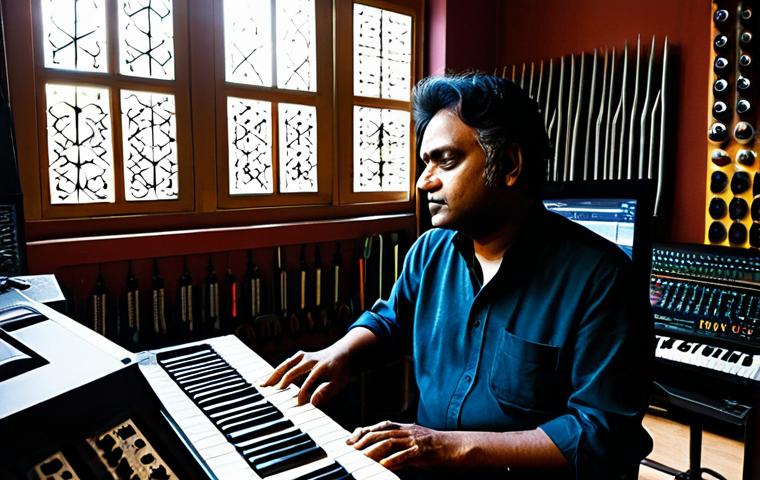
Beyond its musical brilliance, “Jai Ho” has left an undeniable mark on global pop culture. It became a phenomenon, referenced in countless media, inspiring dance routines, and even finding its way into various remixes and covers. I remember seeing flash mobs dancing to it, and it was featured in so many commercials and TV shows. It’s truly incredible how one song can permeate so many different aspects of popular culture and become a global touchstone. Its vibrant energy and catchy chorus made it irresistible, creating a unique moment where Indian music was not just appreciated but actively celebrated and integrated into mainstream entertainment worldwide. This impact goes beyond just being a popular song; it became a cultural shorthand for celebration and overcoming challenges, demonstrating the power of music to shape and reflect the zeitgeist. Its catchy melody and uplifting spirit ensured its place in the collective memory, making it a song that people instinctively recognize and feel good about, no matter where they are from.
Crafting the Masterpiece: Behind the Scenes of “Jai Ho”
When you hear a song as monumental as “Jai Ho,” it’s natural to wonder about the creative process, what really went on behind the studio doors. I’ve always been fascinated by the stories behind great art, and Rahman’s approach to this track is particularly insightful. It wasn’t just a simple composition; it was a journey of experimentation, collaboration, and a deep understanding of the film’s narrative. I’ve read interviews where Rahman discussed the challenges and inspirations, often working late into the night, fine-tuning every single element. He’s known for his meticulous attention to detail and his ability to draw out the best from his collaborators, and “Jai Ho” is a prime example of this. It felt like a labor of love, a piece of music crafted with immense care and passion, rather than something churned out for commercial gain. Understanding the dedication and artistic integrity that went into its creation only deepens my appreciation for the song. It makes you realize that true genius isn’t just about raw talent, but also about the relentless pursuit of perfection and the courage to innovate. The result is something that feels both spontaneous and perfectly polished, a rare balance that only a true master can achieve.
The Collaborative Spirit
One of the aspects I always appreciate about A.R. Rahman’s work, and particularly evident in “Jai Ho,” is the spirit of collaboration. While he is the undisputed maestro, he’s also incredibly adept at bringing together diverse talents. For “Jai Ho,” the partnership with lyricist Gulzar was crucial, translating the film’s essence into poignant and powerful words. Then there were the vocalists – Sukhwinder Singh, Mahalaxmi Iyer, Vijay Prakash, and the talented Tanvi Shah, who brought that unique blend of Hindi and Spanish to the track. Each voice added a distinct flavor, contributing to the song’s rich tapestry. I remember thinking how seamlessly these different voices and languages merged, creating a truly global sound. It’s a testament to Rahman’s vision that he could orchestrate such a diverse group of artists and have them all contribute to a cohesive, impactful piece. This collaborative approach isn’t just about sharing credit; it’s about enriching the artistic output, allowing different perspectives and talents to converge and create something truly extraordinary. It felt like everyone involved brought their A-game, resulting in a track that pulsates with collective energy.
Technological Innovation and Traditional Roots
What truly sets Rahman apart, and is brilliantly showcased in “Jai Ho,” is his pioneering use of technology alongside deep respect for traditional Indian music. He’s never been afraid to push boundaries, integrating synths, electronic beats, and cutting-edge studio techniques with classical Indian instruments and melodies. I’ve always been amazed by how he makes this fusion sound so natural, never forced. In “Jai Ho,” you can hear the contemporary production quality, yet it’s deeply rooted in the rhythmic and melodic structures of Indian music. This blend of the old and the new is a hallmark of his sound, making his music feel both timeless and incredibly modern. It’s a delicate balance to strike, where neither element overshadows the other, but instead, they enhance each other. This innovative spirit is what keeps his music fresh and relevant, continually surprising and delighting listeners. He truly understands how to leverage the best of both worlds, creating a sound that is uniquely his own, yet universally appealing. It’s a sonic bridge between eras, showing how tradition can thrive in a modern landscape.
The Power of Universal Appeal: A Cultural Bridge
There’s something truly special about a song that can transcend language, culture, and geographical boundaries, and “Jai Ho” does exactly that. I’ve personally witnessed people from completely different backgrounds, who don’t speak a word of Hindi, instinctively clapping, dancing, and singing along to its infectious rhythm. It’s a testament to the raw, visceral power of music to connect us all. The beat, the energy, the soaring vocals – they communicate a universal message of joy and triumph that bypasses intellectual understanding and goes straight to the heart. This universal appeal is not an accident; it’s a deliberate crafting of sound and emotion that taps into fundamental human experiences. Rahman, through “Jai Ho,” created a piece that speaks to the shared human spirit of hope and celebration, regardless of where you come from. It’s a remarkable achievement, one that few songs ever manage to accomplish on such a grand scale. This ability to bridge cultural divides is, in my opinion, one of the song’s most significant and lasting contributions to global music. It reminds us that at our core, we all share similar dreams and aspirations, and music can be the most beautiful way to express them.
Breaking Down Language Barriers
One of the most striking aspects of “Jai Ho” is its ability to communicate powerfully despite language barriers. While the lyrics are predominantly in Hindi, with some Urdu and Punjabi, and even a touch of Spanish, the *feeling* of the song is instantly understandable. I remember friends asking me what the words meant, but even before they knew, they were already hooked by the emotion and the rhythm. This speaks volumes about the power of music as a universal language. Rahman understood that certain sounds, certain cadences, and certain energetic shifts could convey meaning beyond literal translation. The infectious chant of “Jai Ho” itself, with its simple yet potent declaration of victory, became a global mantra. It’s a fantastic example of how music can transcend the limitations of words and connect directly with the human spirit, proving that an emotional resonance can be felt without needing a dictionary. This intentional accessibility through sound, rather than solely through explicit lyrical meaning, is what truly made it a global phenomenon.
A Symbol of Global Harmony
For me, “Jai Ho” has evolved into more than just a song; it’s become a symbol of global harmony and cultural celebration. Its success demonstrated that music from non-Western traditions could achieve mainstream global appeal, not by conforming, but by proudly showcasing its unique cultural roots. I often think about how it brought people together, whether in a movie theater, at a concert, or just in a spontaneous dance party. It’s a joyful reminder that diversity enriches us all, and that cultural exchange can lead to something truly beautiful and unifying. The song doesn’t just celebrate Indian culture; it celebrates the fusion of cultures, the idea that different elements can come together to create something stronger and more vibrant. In a world that sometimes feels divided, “Jai Ho” offers a powerful message of unity and shared celebration, a testament to the idea that music can truly be a force for good. It shows that our differences are not barriers, but rather unique threads that, when woven together, create a richer, more beautiful tapestry for all of humanity to enjoy.
| Category | Details for “Jai Ho” |
|---|---|
| Composer | A.R. Rahman |
| Lyricist | Gulzar, Tanvi Shah |
| Primary Vocalists | Sukhwinder Singh, Mahalaxmi Iyer, Vijay Prakash |
| Film Featured In | Slumdog Millionaire (2008) |
| Key Awards Won | Academy Award for Best Original Song (2009), Grammy Award for Best Song Written for Visual Media (2010) |
| Genre Fusion | Bollywood, World Music, Pop, Folk, R&B elements |
The Business of “Jai Ho”: Impact on Rahman’s Career and Earnings
It’s no secret that beyond the artistic acclaim, “Jai Ho” was a monumental commercial success that fundamentally shifted A.R. Rahman’s career trajectory and, let’s be honest, his earning potential. Before this, he was a huge star in India, commanding significant fees, but the global impact of an Oscar and Grammy-winning song is on an entirely different scale. I’ve heard stories about the sheer volume of licensing deals, the increased demand for his compositions in Hollywood, and the subsequent rise in his appearance fees for live performances and brand endorsements. This wasn’t just about fame; it was about solidifying his brand as a global music icon. The song’s massive popularity also meant substantial royalties from album sales, streaming, and global airplay, turning it into a consistent revenue generator for years to come. It’s a prime example of how artistic excellence, when combined with strategic placement in a globally successful film, can lead to unprecedented financial rewards and open up entirely new markets. This commercial success allowed him even greater creative freedom, enabling him to pursue diverse projects without the usual financial constraints. It truly propelled him from regional star to global powerhouse, illustrating the immense financial leverage that can come from winning prestigious international awards.
Licensing and Royalties Goldmine
For any artist, a hit song means a significant boost in licensing and royalties, but “Jai Ho” was in a league of its own. I can only imagine the contracts that followed, from movie studios wanting to license the track for their trailers to commercials and even video games. Every time that iconic melody played anywhere in the world, it was generating revenue. This kind of consistent passive income is what many musicians dream of, and “Jai Ho” delivered it in spades. The global reach of *Slumdog Millionaire* meant that the song was heard by billions, translating into massive streams and downloads across platforms. It wasn’t just a one-time payout; it was a perpetual stream of income, solidifying Rahman’s financial standing and allowing him to invest further in his passion projects. The value of an Oscar-winning song, in terms of its long-term commercial viability, is almost incalculable, and “Jai Ho” is a shining example of that phenomenon. This steady flow of royalties ensures that the song continues to benefit Rahman and his team long after its initial release, cementing its place as a true financial jackpot in his illustrious career.
Increased Global Demand and Brand Value
The success of “Jai Ho” dramatically increased A.R. Rahman’s global demand, transforming his brand value overnight. Suddenly, he wasn’t just a celebrated Indian composer; he was a sought-after talent in Hollywood and beyond. I recall how he began scoring more Western films, collaborating with international artists, and embarking on global concert tours that sold out instantly. This kind of increased visibility and demand isn’t just about getting more work; it significantly elevates an artist’s brand value, allowing them to command higher fees and have more creative control over their projects. Brands eager to associate themselves with his global appeal would have also come knocking, leading to lucrative endorsement deals. It wasn’t just about the music anymore; it was about the A.R. Rahman brand – synonymous with innovation, cultural fusion, and unparalleled musical genius. This heightened brand power not only boosted his income but also gave him an even more prominent platform to share his unique artistic vision with the world, impacting his entire professional trajectory for the better. The ripple effect of such success on an artist’s career is truly phenomenal, opening up a universe of possibilities.
Wrapping Things Up
And there you have it, folks! Reflecting on “Jai Ho,” it’s clear this isn’t just another song; it’s a testament to the universal language of music and the power of a compelling story. What began as a heartfelt ode within *Slumdog Millionaire* blossomed into a global anthem, carrying with it a message of hope and triumph that continues to resonate deeply. Every time I hear it, I’m reminded of the sheer artistry involved, and how one track can truly transcend borders and bring people together. It’s been a genuine pleasure diving deep into its layers and rediscovering why it holds such a special place in my heart, and hopefully, in yours too!
Helpful Insights You Won’t Want to Miss
1. Discover the Original First: While you might have heard the popular Pussycat Dolls remix, I highly recommend seeking out the original A.R. Rahman version featuring Sukhwinder Singh. It carries a raw, authentic energy that truly captures the spirit of the film and Rahman’s unparalleled vision.
2. Explore A.R. Rahman’s Global Footprint: If “Jai Ho” captivated you, dive into Rahman’s extensive filmography. His scores for Hollywood films like *127 Hours* and *Elizabeth: The Golden Age* showcase his versatile genius, blending Western classical elements with his signature Indian influences.
3. The Power of Cinematic Sync: “Jai Ho” perfectly illustrates how a song, when strategically placed in a globally successful film, can amplify its reach exponentially. Keep an eye (and ear!) out for other incredible music discovered through cinema; it’s a fantastic way to broaden your musical horizons.
4. Embrace World Music Playlists: Don’t limit your musical journey to mainstream charts. Streaming platforms offer curated “World Music” or “Global Beats” playlists that are treasure troves of diverse sounds, often leading you to gems just as impactful as “Jai Ho.”
5. Understanding Cross-Cultural Collaborations: “Jai Ho” was a pioneer in demonstrating how a blend of diverse linguistic and musical elements can create universal appeal. This trend continues to grow, and actively listening to these collaborations enriches your appreciation for global artistry.
Key Takeaways
At its core, “Jai Ho” is more than just a song; it’s a global phenomenon that broke down barriers, catapulted A.R. Rahman onto the international stage, and left an indelible mark on pop culture. Its enduring legacy lies in its universal message of hope and triumph, wrapped in a groundbreaking fusion of traditional Indian sounds and contemporary global appeal. This track redefined success, proving that authentic cultural expression can resonate with audiences worldwide, fostering harmony and celebrating the power of music to unite us all.
Frequently Asked Questions (FAQ) 📖
Q: You mentioned “Jai Ho” exploded onto the global scene. What made it such a phenomenon, especially after Slumdog Millionaire?
A: Oh, absolutely! “Jai Ho” became more than just a song; it was a cultural moment, and Slumdog Millionaire was undeniably its rocket fuel. I remember watching that film and being absolutely swept away by its gritty yet hopeful narrative.
The raw, underdog story of Jamal perfectly mirrored the spirit of “Jai Ho”—a triumphant cry of victory against all odds. What truly elevated it, in my opinion, was its incredibly rich, layered soundscape.
A.R. Rahman masterfully blended traditional Indian instruments and melodies with a modern, global pop sensibility. You’ve got those vibrant dholak beats, the soaring vocals, and then a chorus that just sticks in your head, even if you don’t speak Hindi.
It wasn’t just exotic; it was exhilarating and deeply familiar all at once. The song’s ability to transcend language barriers and tap into a universal feeling of hope and overcoming struggle is what made it resonate with literally billions of people worldwide.
It became the anthem for a generation, and for me, it was a pure, unadulterated shot of optimism.
Q: “Jai Ho” sounds so uplifting, but what does the phrase actually mean, and what message do you think
A: .R. Rahman was trying to send with it? A2: That’s a fantastic question, and it gets right to the heart of why the song is so powerful!
“Jai Ho” is a Hindi phrase, and it essentially means “Let there be victory!” or “Victory to you!” It’s a cheer, a blessing, and a declaration of triumph all rolled into one.
When you hear it, you can’t help but feel that surge of positivity, right? A.R. Rahman, being the genius he is, crafted a piece that perfectly embodies this spirit.
While the lyrics tell a story of seeking truth and finding redemption, the core message is universally applicable: perseverance, hope, and ultimately, success.
For Slumdog Millionaire, it served as a perfect narrative conclusion, celebrating Jamal’s journey from poverty to love and wealth. But beyond the film, I think Rahman wanted to create something that would inspire people globally to believe in their own ability to conquer challenges.
It’s a rallying cry for anyone who’s ever faced adversity and emerged stronger, a musical embrace that says, “You did it! Victory is yours!”
Q: Winning Oscars and Grammys is huge, but what’s the lasting legacy of “Jai Ho” on world music and
A: .R. Rahman’s incredible career? A3: Oh, the awards were definitely a massive moment, weren’t they?
But the true legacy of “Jai Ho” goes so much deeper than just the trophies. For me, and for countless music lovers, it solidified A.R. Rahman’s status as a bona fide global music icon, not just a brilliant Indian composer.
Before “Jai Ho,” while he was incredibly respected, this song truly pushed him into the international spotlight in a way that few non-Western artists achieve.
It showcased his unparalleled ability to weave traditional Indian sounds into a contemporary framework that captivated a global audience. I truly believe “Jai Ho” helped open doors for more diverse music to gain mainstream recognition in Western markets.
It proved that music, regardless of its origin, can unite people through universal themes and infectious rhythms. It’s influenced countless artists in their fusion experiments, and even now, you can hear its echoes in how global sounds are integrated into pop music.
It truly set a new benchmark for cross-cultural musical collaboration and reminded everyone that brilliant music knows no boundaries.
📚 References
Wikipedia Encyclopedia
구글 검색 결과
구글 검색 결과
구글 검색 결과
구글 검색 결과
구글 검색 결과