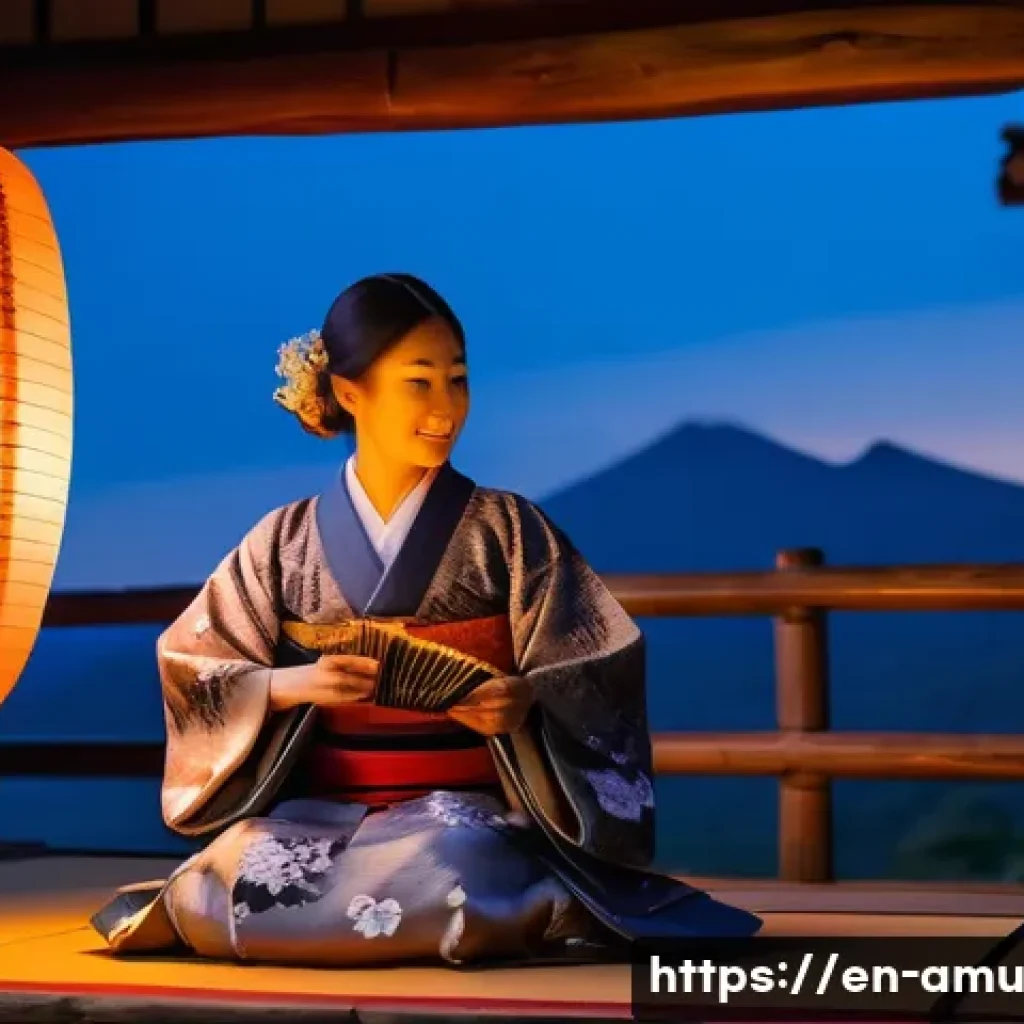
津軽じょんがら節, a traditional Japanese folk song from the Tsugaru region, carries a rich cultural legacy with its haunting melodies and passionate rhythms. Over the years, this classic has seen various remakes, blending contemporary sounds with its timeless spirit, captivating both old fans and new listeners alike.
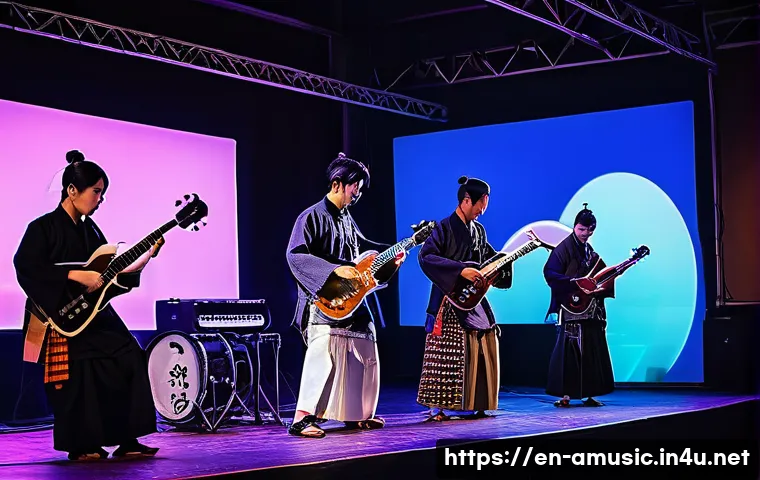
The evolution of this piece reflects not only musical innovation but also a deep respect for heritage. Exploring the contrasts between the original and modern interpretations offers fascinating insights into how music can transcend generations.
Let’s dive deeper and uncover the story behind these melodies in the following discussion. Stay tuned as we explore this musical journey in detail!
Origins and Cultural Significance of the Tsugaru Melody
The Birthplace and Its Musical Roots
The Tsugaru region, located in the northern part of Japan’s main island, is renowned for its rugged landscapes and resilient people. It was in this environment that the traditional folk song, often called the Tsugaru melody, first took shape.
The song’s origins lie in the everyday lives of farmers and fishermen, capturing their hardships, joys, and deep connection to nature. What makes this melody stand out is its distinctive use of the shamisen, a three-stringed instrument, which adds a haunting and soulful texture to the sound.
When I first heard it live, the raw emotion conveyed through the instrument instantly transported me to a different time and place, highlighting how music can serve as a powerful cultural bridge.
Symbolism Embedded in the Lyrics and Tune
Beyond just being a song, the melody carries layers of symbolism. The lyrics often speak about perseverance, longing, and the bittersweet nature of life in harsh northern climates.
The uneven rhythms and fluctuating tempo mimic the unpredictable weather and the emotional turbulence faced by the people of the region. Interestingly, the vocal style employs a form of vibrato that adds a sense of urgency and passion, which feels like a musical cry echoing through the mountains.
Experiencing this firsthand made me realize how deeply intertwined the song is with the identity of the Tsugaru people.
Preservation Through Generations
Over the decades, efforts to preserve the authenticity of this melody have been significant. Local festivals, shamisen schools, and cultural organizations have played vital roles in passing down this heritage.
I had the chance to attend a workshop where a master musician shared stories behind each phrase of the song, emphasizing respect for tradition while encouraging personal expression.
This balance between preservation and creativity keeps the melody alive and relevant, ensuring it continues to resonate with both older generations and younger audiences eager to connect with their roots.
The Evolution of Sound: From Traditional to Contemporary Interpretations
Incorporating Modern Instruments and Styles
The journey of this folk song into modern times is fascinating. Contemporary artists have introduced instruments like electric guitars, drums, and synthesizers, blending the old with the new.
This fusion creates a dynamic soundscape that respects the original while appealing to today’s listeners. I remember hearing a remix where the shamisen’s sharp twangs merged seamlessly with electronic beats, giving the song a fresh, energetic vibe.
This not only broadened its appeal but also showed how traditional music can adapt without losing its soul.
Collaborations That Bridge Cultures
What’s particularly exciting is how this melody has crossed borders through collaborations with musicians worldwide. Jazz, rock, and even hip-hop artists have incorporated elements of the song into their work, creating unique hybrids.
One standout example I came across was a performance blending the Tsugaru melody with flamenco guitar — an unexpected yet mesmerizing combination. Such collaborations highlight the universality of music and the endless possibilities when diverse traditions meet.
Challenges in Balancing Innovation and Authenticity
While innovation brings new life, it also raises questions about maintaining authenticity. Some purists argue that too much modernization dilutes the song’s essence.
From my perspective, the key lies in understanding the original’s spirit and using that as a foundation rather than a constraint. Artists who approach the melody with respect and knowledge tend to produce the most compelling interpretations, ones that honor the past while speaking to the present.
Musical Structure and Unique Characteristics
Distinctive Shamisen Techniques
A defining feature of this melody is the shamisen playing style, which is characterized by rapid finger movements, intricate plucking patterns, and dramatic pauses.
These techniques create a tension and release effect that captivates listeners. When I tried playing the shamisen myself, even the basic strokes felt emotionally charged, illustrating how technique and expression are inseparable in this tradition.
Rhythmic Complexity and Emotional Depth
Unlike many folk songs that maintain a steady beat, this melody employs irregular rhythms and sudden tempo changes. This unpredictability mirrors the emotional highs and lows embedded in the narrative.
The performers’ ability to manipulate timing adds layers of suspense and release, making live performances particularly gripping. I recall attending a concert where the musicians’ dynamic shifts kept the audience on edge, fully engaged from start to finish.
Vocal Styles and Their Expressive Power
The vocal delivery in this song is another element that sets it apart. Singers often use a raw, almost guttural tone, layered with vibrato and ornamentation.
This style conveys deep emotional intensity, ranging from sorrow to joy. Hearing these vocals live, especially in small venues, creates an intimate atmosphere that draws listeners into the storyteller’s world, making the experience truly immersive.
The Role of Festivals and Live Performances in Keeping Tradition Alive
Community Gatherings and Cultural Celebrations
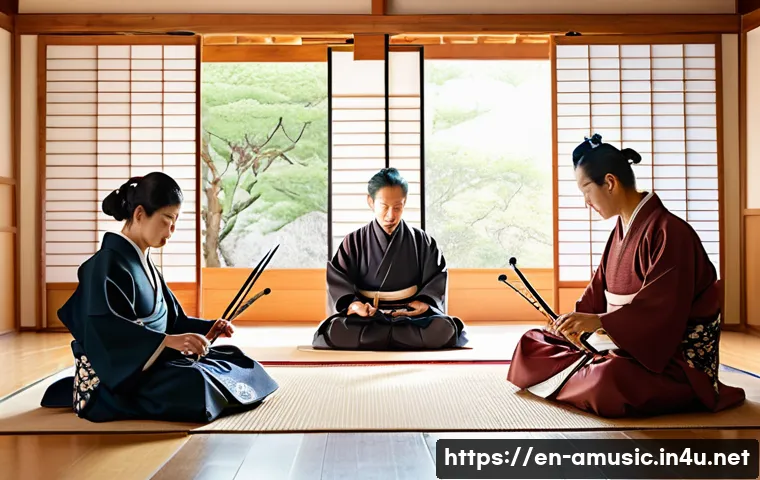
Festivals centered around this folk melody serve as vital hubs for cultural exchange and preservation. These events gather musicians, dancers, and audiences in a shared celebration of heritage.
I attended one such festival where the energy was palpable—people of all ages joined in, singing and dancing along. The communal spirit reinforced how music can unite and strengthen cultural identity.
Interactive Workshops and Educational Programs
Besides performances, workshops offer hands-on experiences that deepen appreciation and understanding. I participated in a shamisen workshop where the instructor patiently guided us through the basics, sharing anecdotes about the song’s history.
Such programs are essential for passing down skills and stories, ensuring the tradition doesn’t fade with time but evolves through new generations.
Global Outreach Through Touring and Streaming
In recent years, live performances have extended beyond local settings to international stages, thanks to touring artists and digital platforms. Streaming concerts and online tutorials have introduced the melody to global audiences, expanding its reach.
Watching a live-streamed performance from a renowned shamisen player opened my eyes to how technology helps preserve and promote cultural treasures in today’s interconnected world.
Comparative Analysis: Traditional vs. Modern Renditions
| Aspect | Traditional Rendition | Modern Rendition |
|---|---|---|
| Instrumentation | Shamisen, minimal percussion | Shamisen, electric guitar, drums, synthesizers |
| Rhythm | Irregular, fluctuating tempo | Steady beats mixed with tempo changes |
| Vocal Style | Raw, emotional vibrato | Varies: from traditional style to fusion with other genres |
| Audience | Local communities, cultural festivals | Global audiences via streaming and collaborations |
| Purpose | Preservation of heritage and storytelling | Artistic innovation and cross-cultural appeal |
Impact on Contemporary Japanese Music and Beyond
Inspiring New Genres and Artists
This traditional melody has inspired a wave of contemporary Japanese artists who incorporate its elements into various genres, from indie rock to electronic music.
I discovered several bands that sample shamisen riffs, blending them with modern beats to create something entirely new yet familiar. This cross-pollination enriches the musical landscape and introduces younger audiences to their cultural roots in an accessible way.
Influence on Film and Media Soundtracks
The evocative power of this melody has made it a popular choice for film and television soundtracks, often used to convey themes of nostalgia, struggle, or cultural identity.
I’ve noticed how its haunting tones add emotional depth to scenes, making the storytelling more poignant. This exposure helps keep the melody relevant and appreciated in contemporary media.
Encouraging Cultural Pride and Identity
Perhaps most importantly, the ongoing presence of this folk song in modern contexts fosters a sense of pride and identity among Japanese people. It reminds us of the resilience and creativity embedded in cultural traditions.
Personally, exploring this melody has deepened my appreciation for how music serves as a living record of history, emotion, and community.
글을 마치며
The Tsugaru melody is more than just a song; it is a vibrant testament to cultural resilience and artistic evolution. From its humble origins in northern Japan to its modern reinterpretations, this melody continues to bridge generations and borders. Experiencing its rich emotional depth and unique sound offers a profound connection to tradition and innovation alike. Its enduring appeal reminds us of music’s power to tell stories and unite communities across time.
알아두면 쓸모 있는 정보
1. The shamisen, a three-stringed instrument, is central to the Tsugaru melody’s distinctive sound and emotional impact.
2. The irregular rhythms and fluctuating tempos reflect the natural environment and emotional landscape of the Tsugaru region.
3. Modern adaptations often blend traditional shamisen sounds with electronic instruments, broadening the melody’s appeal.
4. Community festivals and workshops play a crucial role in preserving and passing down this musical heritage.
5. The melody’s influence extends into contemporary Japanese music, film soundtracks, and international collaborations, showcasing its versatility.
핵심 포인트 정리
The Tsugaru melody embodies a unique fusion of cultural tradition and creative innovation, anchored by the expressive shamisen and powerful vocals. Its preservation through local festivals and educational programs ensures the legacy endures, while contemporary adaptations and global collaborations expand its reach. Balancing authenticity with modern influence is key to keeping this heritage alive and relevant for future generations.
Frequently Asked Questions (FAQ) 📖
Q: What makes Tsugaru Jongara-bushi unique compared to other Japanese folk songs?
A: Tsugaru Jongara-bushi stands out due to its intense emotional expression and the distinctive use of the shamisen, a traditional three-stringed instrument.
Unlike many other folk songs that tend to be soft or melodic, this piece is known for its fast-paced, dynamic rhythms and haunting melodies that can evoke deep feelings of longing and passion.
Its improvisational style allows performers to showcase their skill and creativity, making each rendition unique and deeply personal. This blend of technical mastery and heartfelt emotion is what gives Tsugaru Jongara-bushi its enduring charm and cultural significance.
Q: How have modern versions of Tsugaru Jongara-bushi changed the way people experience the song?
A: Modern adaptations of Tsugaru Jongara-bushi often incorporate contemporary instruments, electronic sounds, and fusion with other music genres like jazz or rock.
This innovation has broadened the song’s appeal, attracting younger audiences who might not otherwise engage with traditional folk music. From my experience, these remakes maintain the soul of the original while adding fresh energy and textures, making the music feel alive and relevant today.
It’s fascinating to see how artists respect the traditional roots yet aren’t afraid to experiment, creating a bridge between past and present that keeps the cultural heritage vibrant.
Q: Why is it important to preserve traditional songs like Tsugaru Jongara-bushi in today’s fast-changing music scene?
A: Preserving traditional songs like Tsugaru Jongara-bushi is crucial because they carry the history, values, and emotions of a community that modern music often overlooks.
These songs are living stories passed down through generations, offering insight into cultural identity and collective memory. Personally, I find that engaging with such music enriches my understanding of a culture beyond surface-level trends.
Moreover, keeping these traditions alive encourages diversity in the music world, reminding us of the roots from which contemporary sounds grow. In a rapidly globalizing world, this preservation fosters a meaningful connection to heritage while inspiring new creative directions.