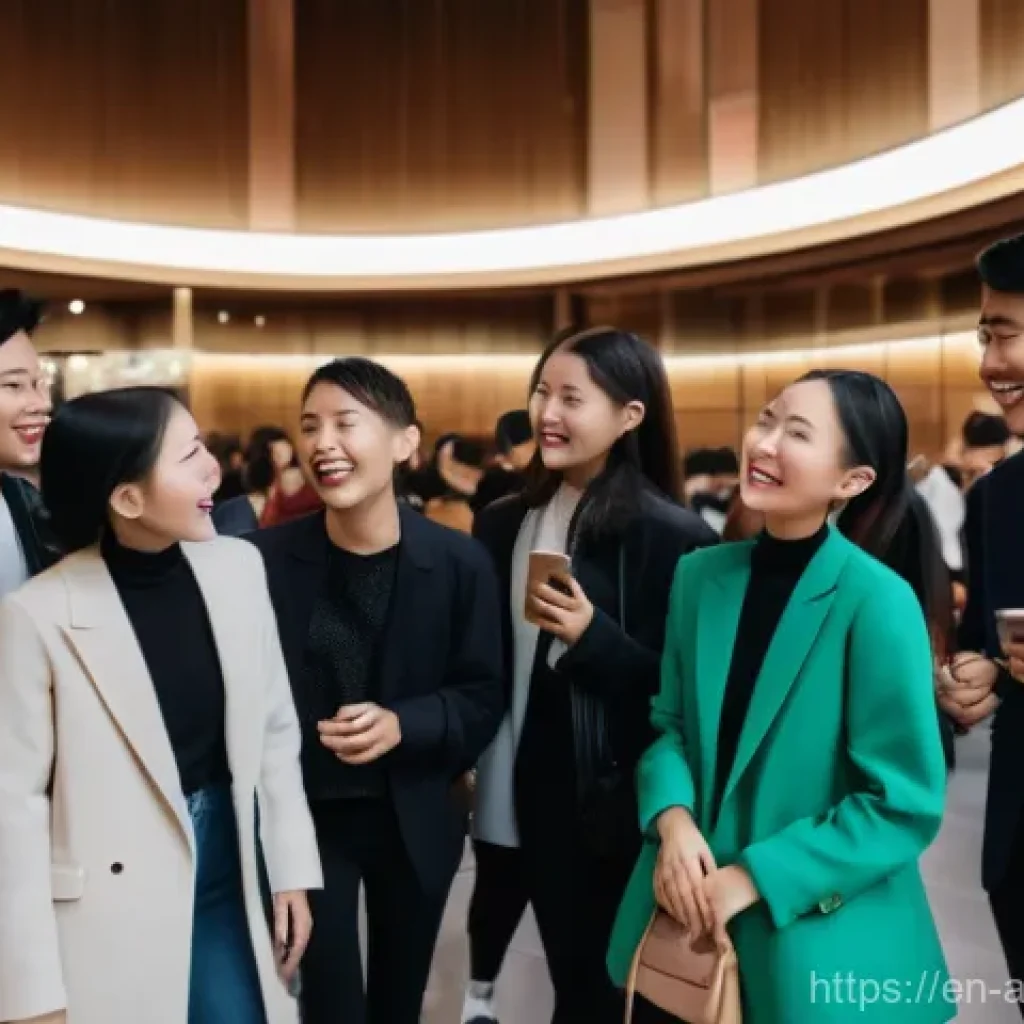
It’s incredible, isn’t it? The magic of musical theater seems to capture hearts everywhere, from Broadway’s dazzling lights to London’s West End stages.
But if you’ve been following the global cultural scene, you’ve probably noticed a seismic shift happening in an unexpected corner of the world: China.
What was once a niche interest is now exploding into a vibrant, unstoppable force, reshaping the entire landscape of live performance. I’ve been keeping a close eye on this, and honestly, the numbers are mind-blowing!
We’re talking about a market that’s seen incredible jumps in revenue and attendance, with millions of people flocking to experience everything from beloved international blockbusters to incredibly fresh, homegrown stories that are truly finding their own voice.
This isn’t just about bringing in foreign hits anymore; it’s about China developing its unique stage identity, attracting new audiences, especially the younger generation, and becoming a powerhouse in its own right.
It makes you wonder what’s next for this dynamic expansion, doesn’t it? Let’s dive deeper and uncover exactly what’s fueling this amazing transformation.
The Unstoppable Rise of Musical Theater Across China
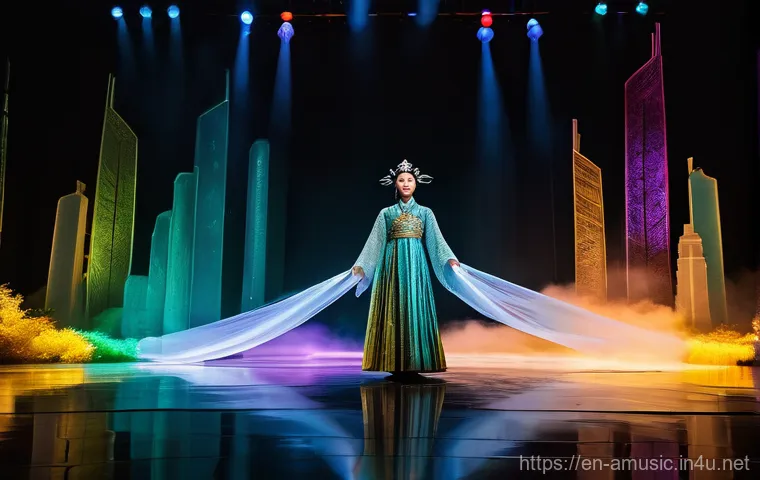
It’s genuinely thrilling to watch, isn’t it? I’ve been keeping a really close eye on the performing arts scene globally, and what’s happening with musical theater in China right now is nothing short of a phenomenon.
I mean, we’re talking about a market that was, for a long time, relatively niche, but it’s now absolutely exploding! I’ve seen the numbers, and they’re just incredible.
The sheer scale of growth in both revenue and attendance is truly mind-boggling, with millions of people, especially the younger crowd, eagerly diving into everything from those iconic international blockbusters we all adore to some genuinely fresh, home-grown stories that are really finding their unique voice.
This isn’t just about bringing in foreign hits anymore; it’s about China carving out its distinct stage identity, captivating new demographics, and becoming a serious force in the global live performance arena.
It definitely makes you wonder about the exciting possibilities this dynamic expansion will bring next, doesn’t it?
A New Cultural Appetite
I’ve definitely noticed a significant shift in cultural consumption here. People, particularly the younger generations, are craving more immersive and emotionally engaging experiences than what traditional entertainment like movies or TV can offer.
This isn’t just a fleeting trend; it feels like a fundamental change in how people want to spend their leisure time and disposable income. I mean, think about it – who wouldn’t want to escape into a captivating story, feel the raw emotion of live singing, and be part of an audience collectively experiencing something truly special?
That communal feeling, that shared energy you get from a live show, it’s irreplaceable, and I believe that’s a huge part of why musicals are striking such a chord.
It’s about more than just entertainment; it’s about connection.
The Driving Force of Local Stories and Talent
While international hits have certainly paved the way and introduced many to the magic of musicals, I’ve observed that the true heart of this growth lies in the burgeoning confidence and creativity of China’s own musical theater productions.
There’s something incredibly powerful about seeing your own stories, your own culture, reflected on stage through this dynamic art form. I’ve personally seen some original Chinese musicals achieve both critical acclaim and impressive commercial success.
It’s not always easy, of course – building an industry from the ground up always has its challenges, and there are debates about sustainability, particularly when some productions might lean too heavily on idol culture.
However, the sheer talent emerging, from scriptwriters to performers, is undeniable and absolutely thrilling to witness.
Crafting Authentic Narratives
What I find most exciting is the dedication to crafting narratives that resonate deeply with Chinese audiences. We’re seeing more stories that draw from local history, mythology, and contemporary life, all infused with that distinct musical flair.
It’s not just about translating Western shows anymore; it’s about telling *their* stories in *their* voices. I remember speaking with a producer who emphasized how important it is for audiences to feel a genuine connection to the material, to see their own experiences or cultural touchstones represented.
This focus on authentic storytelling, combined with evolving production values, is really making these shows stand out and create a loyal following. It’s like watching a new chapter in global theater unfold right before your eyes.
Demographics: Young Audiences Leading the Charge
From my perspective, it’s clear as day that the younger generation is absolutely fueling this boom. I’m talking about millennials and Gen Z, who are increasingly willing to travel across cities just to catch a performance.
They’re not just looking for a show; they’re looking for an *experience*. I’ve seen it firsthand at festivals and individual performances – the energy these young people bring is infectious!
They value personalization, emotional connection, and opportunities for social engagement, and live performances tick all those boxes. It’s no longer enough to just watch something passively; they want to be part of something, to share an experience with friends, and maybe even find a sense of ritual, like shouting “Happy New Year” together at midnight during a New Year’s Eve musical I heard about.
This demographic shift is incredibly important, as their spending power and desire for unique cultural experiences are driving much of the market’s expansion.
The Social and Emotional Connection
I’ve talked to so many young theatergoers, and what consistently comes up is how much they cherish the social aspect of attending musicals. It’s a chance to connect with friends, share an emotional journey, and even meet like-minded people.
For many, it’s a way to de-stress and find an outlet for their spiritual and cultural needs. This isn’t just about the performance itself, but the entire event – from planning the trip, to grabbing a meal with friends before the show, to discussing it excitedly afterward.
That holistic experience, that sense of community, is something screens just can’t replicate. It reminds me of how powerful shared live events can be, creating lasting memories and forging bonds.
Economic Powerhouse: Beyond the Box Office
It’s fascinating to see how musical theater is not just an artistic success but also a significant economic driver. When I look at the numbers, it’s clear that this industry contributes far more than just ticket sales.
We’re talking about a ripple effect that touches everything from local hotels and restaurants to transportation and souvenir shops. I’ve heard stories of cities actively incentivizing large-scale concerts and festivals, understanding that a single yuan spent on a ticket can generate seven to eight yuan in surrounding consumption.
It’s a fantastic example of how cultural events can become powerful catalysts for regional economic growth, boosting soft power and putting cities on the map as cultural destinations.
Boosting Local Economies
I’ve seen so many examples of cities embracing this “show economy” concept. Local governments are stepping up, offering incentives for hosting major events, and even creating tourism routes around them.
It’s a smart move, really. When a musical or a festival rolls into town, it brings an influx of visitors who need places to stay, food to eat, and things to buy.
This isn’t just a temporary bump; it’s creating sustainable opportunities and transforming some areas into vibrant cultural hubs. It truly demonstrates how the arts can be a powerful engine for economic prosperity, far beyond the stage lights.
Technological Innovations on Stage and Beyond
I’m absolutely captivated by how technology is transforming the musical theater experience in China. It’s not just about better sound systems or lighting anymore; we’re seeing cutting-edge innovations that are reshaping how stories are told and how audiences engage.
From massive LED panels creating stunning backdrops to augmented reality that blurs the lines between the digital and physical worlds, it’s truly a spectacle.
I’ve even heard about motion capture being used to enhance performances, adding layers of visual depth that were unimaginable just a few years ago. This embrace of digital integration is making performances more immersive and visually arresting, attracting a new generation of tech-savvy audiences.
Creating Immersive Worlds
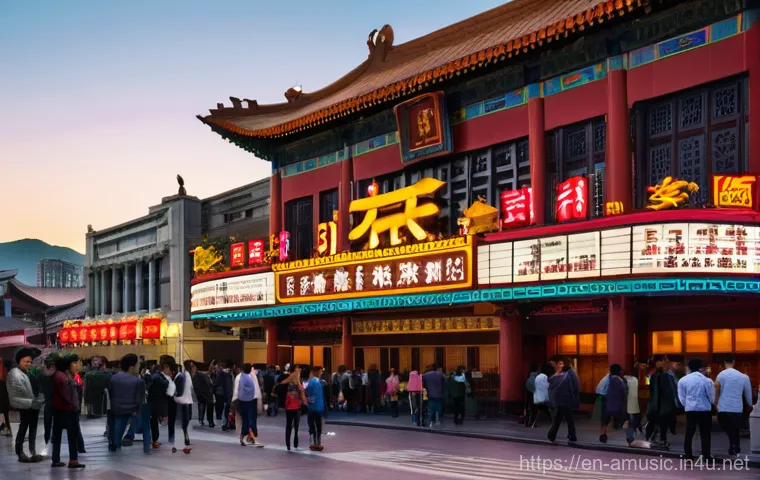
What truly excites me is how these technological advancements are enabling creators to build incredibly immersive worlds for the audience. Imagine a traditional Chinese mythological story brought to life with advanced special effects and state-of-the-art video technology, creating a visually stunning and emotionally resonant cinematic experience on stage.
I’ve heard of dance-poem-drama performances that use multimedia techniques to transport viewers into ancient paintings. It’s not just about pretty visuals; it’s about using technology to deepen the emotional impact and transport the audience right into the heart of the narrative.
This is where art and innovation truly collide in the most beautiful way.
Forging Global Connections and Collaborations
It’s been incredibly rewarding to witness the growing international collaborations within China’s musical theater scene. It’s a two-way street, with beloved international productions touring extensively and Chinese works starting to gain recognition on the global stage.
I’ve seen Broadway and West End veterans lend their expertise to Chinese adaptations, helping to elevate production standards, while also ensuring the local nuances are respected.
Simultaneously, original Chinese musicals are beginning to travel, even touring in places like the United States, which is a huge step! This cross-cultural exchange isn’t just about sharing shows; it’s about sharing knowledge, fostering talent, and enriching the global tapestry of performing arts.
Shared Expertise, Shared Success
I’ve observed that these international partnerships are incredibly beneficial for everyone involved. For example, producers in Shanghai have collaborated with American and Korean teams on development initiatives, bringing accumulated experience and resources, including new content, workforce expertise, and technical training.
It’s truly fascinating how a show adapted from a Chinese pop star’s film, like Jay Chou’s “The Secret,” can be produced by a top Broadway team, resulting in a unique blend of cultures that resonates with audiences.
This kind of synergy is vital for a developing industry, allowing for the exchange of best practices and the creation of truly world-class productions that honor both local and global artistic traditions.
Navigating the Challenges of a Nascent Industry
While the growth is undeniable and exciting, it’s also important to acknowledge that China’s musical theater industry is still quite young and faces its share of hurdles.
I’ve seen discussions about the need for a more mature and standardized investment process, similar to what you’d find on Broadway, to ensure sustainable financial support.
There are also conversations around artistic development – ensuring that the rapid expansion doesn’t lead to a sacrifice in quality or an over-reliance on fleeting trends like idol culture, which some insiders worry might be unsustainable in the long run.
Building a solid foundation for creative talent, from scriptwriters to composers, takes time and dedicated resources.
Building a Sustainable Foundation
I recall hearing about the challenge of ensuring a steady pipeline of high-quality original works. While there’s a quantitative boom in domestic productions, the market acceptance isn’t always balanced, with imported shows sometimes capturing a disproportionate share of box office revenue.
It truly highlights the need for creative innovation that deeply fuses local cultural DNA with industrial standards. Moreover, developing a robust talent pool, from directors to technical staff, is an ongoing process.
Many in the industry emphasize that it needs more time and confidence to truly mature, and I wholeheartedly agree. It’s a journey, and every emerging market has its growing pains.
| Aspect of Growth | Impact on Chinese Musical Theater | My Observations/Experience |
|---|---|---|
| Audience Demographics | Younger generations (18-30) are key drivers, seeking immersive experiences and social connection. | I’ve seen countless young people traveling across cities, passionately engaging with shows and forming communities around them. Their enthusiasm is palpable. |
| Economic Contribution | Beyond ticket sales, musicals significantly boost related industries like tourism, hospitality, and retail. | It’s more than just a show; it’s an entire cultural tourism package. Cities are actively investing, knowing the massive spillover benefits. |
| Original Content Development | Increasing focus on homegrown stories, leveraging Chinese culture, history, and contemporary themes. | It’s refreshing to see narratives that truly resonate locally, telling stories in an authentic voice. This is crucial for long-term appeal. |
| Technological Integration | Advanced digital visuals, AR/VR, and motion capture enhance immersion and production quality. | The visual spectacle is often breathtaking, pushing the boundaries of stagecraft and creating truly unforgettable moments. |
| International Collaboration | Partnerships with global experts elevate production standards and facilitate cross-cultural exchange. | I’ve witnessed how blending international expertise with local narratives creates something truly unique and world-class, benefiting everyone. |
Wrapping Things Up
Honestly, reflecting on everything we’ve discussed, it’s truly an exhilarating time to be a fan of musical theater, especially with the incredible developments unfolding in China. What started as a budding interest has blossomed into a full-fledged cultural phenomenon, showing no signs of slowing down. It’s been so fascinating to watch this space evolve, witnessing firsthand how a blend of passionate local talent and strategic international collaborations can transform an entire industry. The energy, the innovation, the sheer scale of engagement from a new generation of theatergoers—it’s just phenomenal. I truly believe we’re only just scratching the surface of what’s possible, and I’m eagerly anticipating the next act in this captivating story. It’s more than just shows; it’s a vibrant, living, breathing movement.
Useful Information to Know
1. It’s absolutely crucial to understand that China’s musical theater explosion isn’t just a fleeting moment; it’s being driven by a profound shift in how younger generations are choosing to engage with culture. These aren’t just passive consumers; they’re actively seeking out experiences that offer genuine emotional depth, opportunities for social connection, and a chance to be part of something bigger. I’ve personally observed how this demographic, particularly those between 18 and 30, are willing to invest their time and money to travel, connect with fellow fans, and immerse themselves in the unique magic of live performance. This deep-seated desire for authentic, shared experiences is the bedrock of the industry’s sustained growth, making it a powerful force to watch in the global arts landscape. It’s a testament to the fact that, even in our digital age, nothing quite beats the communal thrill of live theater.
2. Beyond the enchanting stories and dazzling performances, the economic footprint of China’s musical theater industry is truly impressive. We’re talking about far more than just ticket sales; it’s a robust ecosystem that sends ripples throughout various sectors of the economy. From what I’ve seen and heard, when a major production or festival comes to town, it’s not just the theaters that thrive. Hotels fill up, local restaurants see a surge in diners, transportation networks are bustling, and even souvenir shops experience a boost. It acts as a powerful catalyst for regional development, attracting tourism and creating jobs, demonstrating how cultural investment can yield significant economic returns. Cities are increasingly recognizing this “show economy” and are actively investing in arts infrastructure, understanding that a vibrant cultural scene directly translates into tangible economic prosperity and enhanced soft power on the world stage.
3. One of the most exciting developments I’ve witnessed is the increasing emphasis on original Chinese content. While international blockbusters certainly played a vital role in introducing audiences to musical theater, the real long-term sustainability and cultural resonance come from homegrown stories. There’s something incredibly powerful about seeing narratives rooted in local history, folklore, and contemporary life brought to life on stage with a distinct musical flair. This isn’t just about cultural pride; it’s about creating content that truly speaks to the hearts and minds of the audience, forging a deeper, more personal connection. I’ve seen firsthand how these authentic narratives, crafted by talented Chinese writers and composers, are not only gaining critical acclaim but also building fiercely loyal fan bases. This commitment to unique storytelling is what will truly define and solidify China’s place in the global musical theater arena for years to come.
4. The embrace of cutting-edge technology in Chinese musical theater is nothing short of revolutionary. It’s no longer just about state-of-the-art sound and lighting; we’re seeing productions integrate massive LED screens for dynamic backdrops, augmented reality elements that blur the lines between the digital and physical, and even motion capture to enhance character movement and visual effects. From my observations, this isn’t just for show; it’s about creating deeply immersive worlds that transport the audience and heighten the emotional impact of the storytelling. Imagine ancient mythological tales or historical events brought to life with breathtaking visual effects that blend seamlessly with live performance. This forward-thinking approach to technological innovation is attracting a new generation of tech-savvy audiences, making the theater experience even more captivating and pushing the boundaries of what’s possible on stage. It truly exemplifies how art and innovation can converge to create unforgettable spectacles.
5. The growth of China’s musical theater scene has been significantly amplified by strategic global collaborations, and this is a truly fascinating aspect for me to watch. It’s not just a one-way street of importing established shows; it’s a dynamic exchange of expertise and creativity. I’ve seen Broadway and West End veterans share their invaluable experience in production, direction, and technical standards, helping to elevate the quality of Chinese productions. Simultaneously, original Chinese musicals are beginning to tour internationally, gaining recognition and introducing global audiences to unique stories and artistic styles. This cross-cultural dialogue is incredibly beneficial, fostering talent development, sharing best practices, and enriching the overall global tapestry of performing arts. These partnerships ensure that while local nuances are celebrated, the productions also meet international standards, creating a powerful synergy that benefits everyone involved and paves the way for a truly globalized musical theater landscape.
Key Takeaways
To sum it all up, China’s musical theater scene is currently undergoing an electrifying transformation, driven by an enthusiastic young audience and a burgeoning commitment to original, culturally resonant storytelling. This isn’t just an artistic blossoming; it’s a powerful economic engine, significantly boosting related industries like tourism and hospitality. The integration of advanced technology is creating immersive and visually stunning productions, pushing the boundaries of traditional stagecraft. While the industry is still navigating the exciting challenges of rapid growth and building a sustainable foundation, the vibrant collaborations with international experts are ensuring high production standards and fostering a rich exchange of creative knowledge. What we’re witnessing is the emergence of a formidable new player on the global stage, proving that the magic of live musicals has an undeniable and ever-expanding appeal.
Frequently Asked Questions (FAQ) 📖
Q: What’s really fueling this incredible surge in musical theater popularity across China right now?
A: Oh, it’s truly fascinating to watch, isn’t it? From what I’ve seen and the numbers I’ve crunched, several key factors are converging to create this fantastic boom.
Firstly, there’s a significant rise in disposable incomes, especially among the younger generation, who are actively seeking out high-quality entertainment beyond just movies and TV.
They’re craving those unique, immersive experiences that only live performance can offer. I’ve heard stories from young enthusiasts, like a 21-year-old who goes to musicals at least once a month, highlighting how the “immersive experience is something I simply can’t get from watching videos online”.
Secondly, there’s a growing cultural awareness and appreciation for the arts, perhaps even a bit of a “return to the theater” movement. And let’s not forget the media!
Increased coverage, especially from popular variety shows, has definitely put musicals in the public eye, introducing a whole new audience to the magic of the stage.
This isn’t just a fleeting trend; it feels like a genuine cultural shift, driven by a generation eager for connection and compelling stories.
Q: Are audiences in China primarily drawn to international blockbusters, or are local Chinese productions starting to hold their own?
A: That’s an excellent question, and it’s something I’ve been watching closely! Initially, high-profile international productions like The Phantom of the Opera and Les Misérables certainly played a massive role in captivating audiences and introducing them to world-class musical experiences.
I mean, who wouldn’t be thrilled to see those classics live? However, what’s truly exciting is the equally impressive rise of Chinese-language musicals.
These homegrown shows, often featuring local talent and narratives that resonate deeply with Chinese culture and societal themes, are really starting to connect on a profound level.
Experts are noting that these productions are “telling our own stories in our own voices”. We’re seeing more original Chinese musicals achieving critical and commercial success, like King’s Table, which even became the first original Chinese musical to be sold overseas in 2023.
It tells me that while the international hits set a high bar, Chinese audiences are increasingly eager to see their own stories brought to life on stage, contributing to a vibrant and diverse theatrical landscape.
Q: What does this rapid expansion mean for the future of musical theater, not just in China but on a global scale?
A: What an exciting thought! This rapid expansion in China is definitely a game-changer, and I believe it signifies a huge shift for global musical theater.
For starters, with its immense potential for growth, China could very well become a major global hub for musical theater in the coming years, attracting international talent and fostering innovative collaborations.
Think about it: a market with increasing disposable incomes and a growing interest in musical education. We’re already seeing Chinese production companies co-producing and investing in Broadway shows, demonstrating their growing influence.
Furthermore, the success of original Chinese musicals like King’s Table being sold overseas hints at a future where Chinese storytelling and theatrical styles contribute to the international repertoire, offering fresh perspectives and narratives to audiences worldwide.
This isn’t just about China catching up; it’s about a new, powerful voice emerging that will undoubtedly enrich and redefine the global musical theater landscape for decades to come.