
Hey there, music enthusiasts! I’ve always been captivated by the deep, resonant echoes of traditional Japanese music, but what truly excites me is how artists are now brilliantly reimagining these ancient sounds for a global, modern audience.
Imagine the soothing koto blending seamlessly with electronic beats or the vibrant shamisen grooving alongside jazz improvisation! This isn’t just about preserving heritage; it’s a dynamic evolution, pushing boundaries and creating a fresh sonic landscape that perfectly captures contemporary trends and future possibilities.
Trust me, the results are simply astounding. Let’s delve deeper and uncover this captivating blend of old and new!
Bridging Centuries: When Ancient Rhythms Meet Global Beats

When I first stumbled upon a track that seamlessly wove the ethereal tones of a shakuhachi with a thumping EDM beat, my mind was absolutely blown. It wasn’t just interesting; it was a revelation.
It felt like walking through a bustling Tokyo street with neon lights reflecting off ancient temple gates, a perfect juxtaposition. This isn’t just about throwing a traditional instrument into a modern mix; it’s about a deep understanding of both worlds, finding common ground in rhythm, melody, and emotional resonance.
Artists are skillfully dissecting the core elements of traditional Japanese scales and applying them to contemporary harmonies, creating something that feels both comfortingly familiar and exhilaratingly new.
I’ve noticed a real trend where the “space” in traditional Japanese music, often characterized by silence and sustained notes, is being filled with carefully chosen electronic textures or intricate jazz improvisations, giving a sense of continuity rather than abrupt collision.
It feels like a respectful conversation across time, rather than a forceful imposition. This blending creates a unique sonic tapestry that’s drawing in listeners from all corners of the globe, including myself, who might never have explored traditional Japanese music otherwise.
It’s truly a testament to the universality of music.
The Subtle Art of Sonic Fusion
It’s more than just putting two things together; it’s about understanding the soul of each element. I’ve found that the most successful fusions maintain the integrity of the traditional sound while allowing the modern elements to lift and complement it.
It’s a delicate dance, where one doesn’t overpower the other, creating a truly harmonious experience.
Finding Common Ground in Rhythm and Melody
What I personally find fascinating is how artists are identifying rhythmic patterns in traditional music that can naturally align with contemporary genres.
Whether it’s the driving pulse of a taiko drum finding its parallel in a rock beat or the meditative pace of a koto piece inspiring ambient electronic soundscapes, the connections are there if you listen closely enough.
The Sound of Innovation: Iconic Instruments Reimagined
The heart of this musical renaissance really lies in how traditional instruments are being treated with such innovation. Think about the koto, for instance, an instrument often associated with serene, classical performances.
Now, I’m hearing it run through effects pedals, creating shimmering delays and gritty distortions that give it a whole new edge, making it sound almost like an electric guitar at times, yet unmistakably a koto.
And the shamisen! This three-stringed lute, traditionally used in narrative songs and kabuki, is now shredding alongside rock guitars or providing groovy bass lines in funk tracks.
It’s like these instruments, which have centuries of history embedded in their very wood, are being given a new voice, a chance to speak to a contemporary audience in their own language.
I recently heard a shamisen player use a wah pedal, and I literally had to pick my jaw off the floor – it was unexpected, yet so incredibly cool and fresh.
The way these artists are pushing the boundaries, exploring new timbres and techniques, it truly makes you appreciate the versatility and enduring power of these ancient tools.
Koto’s Electronic Evolution
I’ve seen performances where koto players incorporate looping stations and synthesizers, turning a single instrument into an entire orchestra. The rich, resonant plucks take on a completely different character, moving from a tranquil garden sound to something incredibly dynamic and vibrant, suitable for a dance floor.
Shamisen’s Gritty New Groove
The shamisen, with its percussive twang, is a natural fit for more energetic genres. I’ve heard it in everything from punk rock to hip-hop beats, where its distinctive sound cuts through the mix, adding a layer of exotic coolness that no other instrument can quite replicate.
It adds a certain “oomph” that just makes you want to move.
From Shrine to Stage: Artists Pushing the Boundaries
It takes a special kind of courage and vision for artists to take something deeply rooted in tradition and propel it into the future. I’ve personally seen performances by groups like Wagakki Band, who blend traditional Japanese instruments like the wagakki (meaning Japanese musical instruments) with rock music, creating an electrifying live experience that transcends cultural barriers.
They don’t just play; they put on a show that feels both ancient and futuristic. Then there are artists who delve into more experimental electronic soundscapes, using samples of traditional instruments or even field recordings from ancient sites, transforming them into entirely new sonic tapestries.
It’s not just about the technical skill, which is immense, but also about the respect and understanding they have for the source material. They’re not just appropriating; they’re interpreting and evolving.
This dedication to both heritage and innovation is what makes their music so compelling and authentic. It feels like they’re inviting us on a journey through time and sound, and I, for one, am always eager to join.
Their passion is palpable, and it flows directly into the music.
Trailblazers of Japanese Fusion
These artists aren’t just musicians; they’re cultural ambassadors, showing the world how traditional Japanese sounds can stand tall and proud alongside global music trends.
They’re constantly exploring, experimenting, and bringing forth sounds that challenge our perceptions.
The Global Impact of Japanese Artistry
What’s truly remarkable is how these artists are gaining international acclaim, drawing in diverse audiences who are captivated by the unique blend. I’ve seen fan communities spring up all over the world, showing just how universal the appeal of this innovative music is.
More Than Just Music: A Cultural Revival
This isn’t merely a musical trend; it feels like a vibrant cultural revival, a reawakening of interest in Japan’s rich artistic heritage for a new generation.
I’ve noticed that as more young people discover these modern interpretations, they often become curious about the traditional forms that inspired them.
It’s like a gateway, drawing them into a deeper appreciation of Japanese history, philosophy, and aesthetics. This fusion acts as a bridge, making something that might have seemed inaccessible or “old-fashioned” suddenly feel relevant and exciting.
Beyond the music itself, I see this trend fostering cross-cultural understanding and appreciation. When I share these tracks with friends who aren’t familiar with Japan, they often express surprise at the depth and beauty of the traditional sounds, leading to conversations about Japanese culture, art, and history.
It’s a wonderful ripple effect, proving that music truly is a universal language that can open doors to broader cultural engagement. It makes me incredibly hopeful for the future of these ancient art forms.
Inspiring the Next Generation
I’ve personally seen how this modern approach sparks curiosity in younger audiences, encouraging them to pick up instruments like the koto or shamisen, ensuring these traditions continue to thrive.
It’s a fantastic way to keep heritage alive and vibrant.
Fostering Global Cultural Exchange
This musical fusion is also a fantastic catalyst for dialogue between cultures. It shows that artistic expression can transcend borders, creating shared experiences and appreciation among diverse communities, something I believe is incredibly important in our interconnected world.
Why This Fusion Resonates: My Personal Take
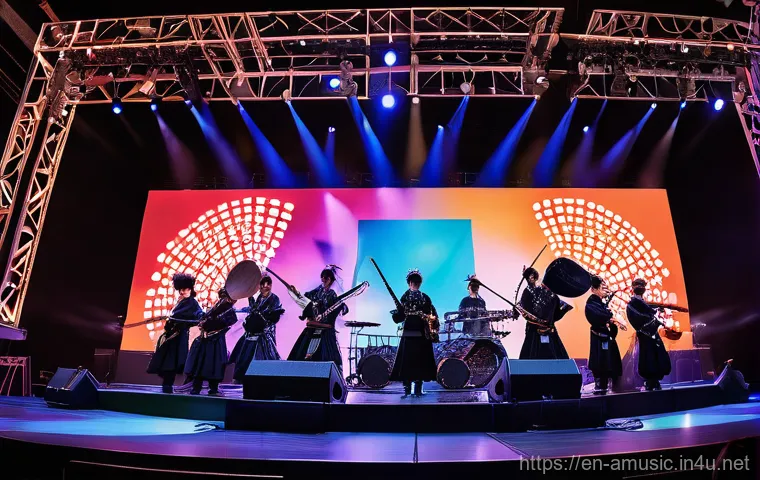
For me, the reason this modern Japanese music fusion resonates so deeply is its ability to evoke both nostalgia and excitement simultaneously. There’s an ancient soul embedded in the traditional instruments, a history that you can almost feel in every note, which taps into a sense of timelessness.
But then, when those traditional sounds intertwine with modern electronic beats, jazz improvisations, or rock anthems, it feels incredibly fresh and forward-looking.
It’s a sonic representation of progress without abandoning roots, a concept I find incredibly inspiring. It challenges my perceptions of what “traditional” and “modern” mean, proving that they aren’t mutually exclusive but can coexist beautifully.
I also think it speaks to a universal human desire for connection – connecting the past with the present, and different cultures with each other. It’s innovative, yes, but more importantly, it feels authentic.
When I listen, I don’t just hear music; I hear a story unfolding, a dialogue between centuries, and that personal connection is what keeps me coming back for more.
It’s simply captivating.
The Emotional Tapestry of Sound
I’ve always believed music connects directly to the soul, and this genre proves it. The emotional depth of traditional melodies combined with the visceral energy of modern rhythms creates an experience that’s both deeply moving and incredibly exhilarating for me.
A Bridge Across Time and Taste
This fusion truly creates a bridge. For listeners like me who enjoy a wide range of genres, it offers a unique listening experience that satisfies both a craving for something new and a respect for historical artistry.
It truly covers all bases.
Navigating the New Soundscape: Where to Start Listening
If you’re just dipping your toes into this incredible world of modern Japanese music, it can feel a little overwhelming with the sheer diversity out there.
My best advice? Don’t be afraid to just dive in! I usually suggest starting with artists who have a strong presence on platforms like YouTube or Spotify, as their visual content or curated playlists can offer a great entry point.
Look for bands that clearly state their fusion style, whether it’s “rock with wagakki” or “electronic koto.” I’ve found that genre labels can be helpful, but sometimes the best discoveries come from just hitting shuffle on a playlist that includes a few artists you already like.
Pay attention to how the instruments are featured – do you prefer the traditional elements to be prominent, or subtly woven into a contemporary fabric?
There’s no right or wrong way to appreciate it, just find what sparks your personal interest. The journey of discovery is part of the fun! And trust me, once you find one artist you love, the algorithms will usually guide you to many more.
Top Picks for Your Listening Journey
Here’s a little table I put together with some examples to get you started. These are just a few I personally enjoy and recommend for a diverse introduction to the scene:
| Artist/Group | Traditional Instrument Focus | Modern Genre Blend | What I Love About Them |
|---|---|---|---|
| Wagakki Band | Koto, Shakuhachi, Shamisen, Taiko | Rock, Metal | Their energetic live shows and powerful vocalists combined with incredible traditional instrument solos. |
| Kikagaku Moyo | Sitar, Taiko (occasionally) | Psychedelic Rock, Folk | Their dreamy, atmospheric soundscapes that evoke a truly unique, mesmerizing vibe. |
| Masaaki Suzuki (with modern ensembles) | Shakuhachi, Koto | Classical, Jazz Fusion | His elegant interpretations that elevate the traditional sounds into sophisticated, intricate arrangements. |
| Kodo (collaborations) | Taiko Drums | World Music, Electronic, Rock | The sheer power and precision of their drumming, especially in their collaborations with global artists. |
Exploring Beyond the Obvious
Once you’ve found a few favorites, don’t be afraid to dig deeper. Look for interviews with the artists, check out their independent projects, or explore the traditional music they draw inspiration from.
I always find that this kind of exploration enriches my listening experience immensely.
The Future is Now: What’s Next for J-Fusion
Looking ahead, I honestly believe this fusion of traditional Japanese music with modern genres is only going to grow stronger and more diverse. We’re living in an era where global cultural exchange is happening faster than ever before, and artists are constantly seeking new ways to express themselves and connect with broader audiences.
I predict we’ll see even more experimental combinations, perhaps integrating traditional Japanese folk songs with trap beats, or incorporating the delicate sounds of the biwa into ambient soundscapes in ways we haven’t even imagined yet.
The beauty of this movement is its boundless potential. As technology evolves, giving artists new tools for production and distribution, the opportunities to push boundaries will only increase.
It’s a truly exciting time to be a music lover, especially for those of us who appreciate the rich tapestry of sounds that Japan has to offer. I’m already on the edge of my seat, wondering what incredible new creations will emerge next from this fascinating blend of old and new.
The innovation just keeps coming, and I’m here for all of it.
Embracing New Technologies
I envision traditional instruments being integrated with cutting-edge digital music production techniques, opening up entirely new sonic palettes. Imagine AI-generated melodies inspired by koto scales, layered over live taiko drumming – the possibilities are truly endless.
Global Collaborations on the Horizon
I’m especially excited about the potential for more international collaborations. As this genre gains traction worldwide, I think we’ll see Japanese artists partnering with musicians from different cultural backgrounds, leading to even more vibrant and unexpected fusions that transcend any single genre.
Closing Thoughts
Well, what an incredible journey we’ve had exploring the vibrant world where ancient Japanese traditions meet modern musical innovation! It’s truly a testament to how art can transcend time and cultural boundaries, creating something utterly new and profoundly moving. For me, this fusion isn’t just about sounds; it’s about a conversation between eras, a bridge built with melodies and rhythms that invites everyone to listen and appreciate. It’s proof that preserving heritage doesn’t mean keeping it static; it means letting it evolve, breathe, and find new expressions in our ever-changing world. I hope this deep dive has sparked your own curiosity and opened your ears to the endless possibilities of Japanese musical artistry. Keep exploring, keep listening, and let the magic unfold!
Useful Information to Know
1. Dive into Curated Playlists: Many streaming services offer excellent playlists dedicated to “Japanese fusion,” “wagakki rock,” or “electronic koto.” These are fantastic starting points to discover new artists and sounds. I’ve personally found some hidden gems this way, saving hours of searching!
2. Explore Festival Line-ups: Keep an eye on global music festivals. As this genre gains traction, more Japanese fusion artists are performing internationally. Attending a live show is an electrifying experience that truly brings the music to life, giving you a completely different appreciation for the artistry.
3. Look for Artist Interviews: Many artists in this space are incredibly articulate about their creative process and their respect for traditional roots. Watching or reading their interviews can deepen your understanding and appreciation for the nuances of their fusion work. It often reveals the true passion behind their music.
4. Connect with Fan Communities: Online forums and social media groups dedicated to Japanese music are excellent places to share discoveries, discuss favorite artists, and get recommendations from fellow enthusiasts. I love seeing how diverse and passionate these communities are, all united by their love for these unique sounds.
5. Consider the Cultural Context: While enjoying the modern sounds, take a moment to explore the traditional origins of the instruments and musical forms. Understanding the historical and cultural significance can greatly enrich your listening experience, offering a deeper connection to the music’s soul.
Key Takeaways
In essence, the fusion of traditional Japanese music with contemporary genres is a dynamic and exciting movement that’s redefining what music can be. It masterfully bridges centuries, allowing ancient instruments to sing new songs for a global audience, showcasing their incredible versatility and enduring appeal. This isn’t merely a fleeting trend; it’s a profound cultural revival, inspiring a new generation to appreciate Japan’s rich artistic heritage while fostering cross-cultural understanding. For me, it’s about experiencing the thrilling harmony of past and present, a reminder that true innovation often lies in respectful evolution. It’s a sonic adventure that’s truly captivating and deeply enriching, proving that the language of music truly knows no bounds.
Frequently Asked Questions (FAQ) 📖
Q: What exactly does “reimagining traditional Japanese music” mean for us listeners, and what kind of modern sounds can we expect to hear?
A: Oh, this is such a fantastic question! When I talk about “reimagining,” I’m really talking about this incredible alchemy where the soulful depths of traditional Japanese instruments meet the vibrant pulse of contemporary genres.
Honestly, when I first stumbled upon it, I was completely blown away. Imagine the delicate, almost ethereal strumming of a koto, traditionally heard in quiet tea ceremonies, now seamlessly weaving through a chill electronic beat, creating a soundscape that’s both ancient and futuristic.
Or picture the energetic, percussive twang of a shamisen, suddenly jamming alongside a funky jazz improvisation, making you want to tap your feet to a rhythm you never knew existed.
We’re talking about artists who take the melancholic beauty of the shakuhachi flute and layer it over ambient soundscapes, or infuse the thunderous power of taiko drums into rock anthems.
It’s not just about adding a Japanese instrument to a Western song; it’s about a deeper dialogue, a blend where both elements elevate each other, creating something truly fresh and emotionally resonant.
From what I’ve experienced, you can expect everything from hypnotic electronic tracks to smooth jazz fusion, and even experimental pop, all enriched with that distinctive, captivating essence of Japan.
Q: How does this modern approach to traditional Japanese music help it reach a wider, global audience, and what’s the appeal for people who might be new to these sounds?
A: This is where the magic truly happens, in my opinion. For so long, traditional Japanese music, while beautiful, felt a little inaccessible to many outside of Japan, often requiring a specific cultural context to fully appreciate.
But this modern reimagining? It’s a brilliant bridge. By blending these traditional elements with genres people worldwide are already familiar with—like electronic, pop, or jazz—artists are essentially creating an inviting entryway.
I’ve personally found that when you hear a familiar rhythm or an electronic drop mixed with the exotic sounds of a shamisen or a koto, your ears perk up immediately.
It’s an intriguing juxtaposition that piques curiosity. It makes listeners think, “What is that amazing sound?” without feeling overwhelmed by something entirely unfamiliar.
It creates a sense of discovery, drawing you into the traditional aspects while grounding you in contemporary sounds. From my own listening journey, this fusion doesn’t dilute the tradition; instead, it revitalizes it, showcasing its incredible versatility and timeless beauty in a way that resonates with a 21st-century global ear.
It’s about breaking down barriers and proving that these ancient instruments can groove just as hard, or soothe just as deeply, as anything from today’s charts.
Q: For someone like me, eager to dive into this captivating world, where’s the best place to start discovering these artists and what kind of search terms should I be using to find the real gems?
A: Oh, you are in for such a treat! This journey of discovery is honestly one of the most rewarding parts. My absolute go-to for finding new artists and tracks in this space starts with the usual suspects, but with a twist.
YouTube and Spotify are treasure troves, but the key is how you search. Don’t just type “Japanese music” – that’s too broad. I’ve had the most luck by getting a bit more specific.
Try searching for “koto electronica,” “shamisen fusion,” “shakuhachi ambient,” or “taiko modern.” You’ll be amazed at the diverse range of artists that pop up!
Also, explore playlists curated around “Japanese indie electronic” or “world music fusion” – often, these are put together by fellow enthusiasts and contain hidden gems.
I also recommend checking out Bandcamp, especially for independent artists who are pushing boundaries; you can often find some truly unique projects there that haven’t hit the mainstream yet.
Another personal tip: once you find an artist you love, look at their “similar artists” suggestions or check out who they’ve collaborated with. It’s like following a breadcrumb trail to a whole new world of incredible sounds.
Happy listening, I promise you won’t regret it!