
In a world where musical trends evolve at lightning speed, some songs manage to transcend time and culture, captivating new generations along the way.

One such gem is “Chnam Oun 16,” a classic Cambodian rock anthem by the legendary Sinn Sisamouth. As interest in global vintage music surges, this timeless track offers a fascinating glimpse into Cambodia’s rich musical heritage.
Whether you’re a longtime fan or just discovering this captivating sound, exploring the story behind “Chnam Oun 16” reveals why it remains a beloved anthem decades later.
Join me as we dive into the legacy of this iconic song and its enduring charm that still resonates today.
The Evolution of Cambodian Rock and Its Timeless Appeal
The Roots of Cambodia’s Rock Revolution
Before the turmoil of the 1970s, Cambodia experienced a vibrant music scene that fused traditional melodies with Western rock influences. This unique blend gave birth to a new genre often called Cambodian rock, a sound characterized by catchy guitar riffs, energetic beats, and heartfelt lyrics.
Sinn Sisamouth, often hailed as the “King of Khmer Music,” was at the forefront of this movement. His ability to adapt Western styles while preserving Khmer musical identity created an evergreen appeal that still captivates listeners today.
What’s fascinating is how this genre managed to thrive despite limited recording technology and political unrest, showing the resilience of Cambodian artists and their passion for music.
Why Cambodian Rock Still Resonates Worldwide
Decades after its prime, Cambodian rock has seen a resurgence in global interest, partly fueled by collectors, DJs, and filmmakers rediscovering these vintage sounds.
The raw energy and emotional depth of songs like those by Sinn Sisamouth strike a chord with audiences far beyond Cambodia’s borders. What I find especially compelling is how the music bridges cultural gaps, inviting listeners into a vibrant world that’s both nostalgic and fresh.
The authenticity and simplicity of the arrangements make it easy for new generations to connect, while the historical context adds layers of meaning that enrich the listening experience.
Musical Characteristics That Define the Genre
Cambodian rock’s signature sound features jangly electric guitars, driving bass lines, and melodic vocals that often convey themes of youth, love, and hope.
Unlike Western rock, which sometimes leans heavily on distortion and aggressive rhythms, Cambodian rock incorporates more melodic, almost hypnotic guitar work, often influenced by traditional Khmer scales.
This fusion creates a sound that’s both familiar and exotic. When I first heard “Chnam Oun 16,” I was struck by how effortlessly the song blends Western pop structures with a distinctly Cambodian sensibility, making it accessible yet unique.
Behind the Voice: Sinn Sisamouth’s Musical Genius
A Life Dedicated to Music and Culture
Sinn Sisamouth’s career spanned over three decades, during which he recorded hundreds of songs that remain beloved in Cambodia and beyond. His talent was not just in singing but also in songwriting and producing, making him a versatile figure who shaped the Cambodian music industry.
What makes his legacy so enduring is his deep connection to Cambodian identity, reflected in the poetic nature of his lyrics and his ability to tell stories that resonate universally.
Having listened to many of his tracks, I can say his voice carries a warmth and sincerity that few artists achieve.
Innovations and Musical Experimentation
Sisamouth was known for experimenting with different genres, blending rock, pop, traditional Khmer music, and even early disco influences. This adventurous spirit kept his sound fresh and relevant, appealing to a wide audience that included both young listeners and older generations.
His openness to innovation is evident in “Chnam Oun 16,” where the upbeat tempo and catchy chorus stand out as hallmarks of his style. From my perspective, this willingness to evolve while staying true to cultural roots is a big reason why his music still feels alive today.
The Tragic End and Posthumous Reverence
Unfortunately, Sinn Sisamouth’s life was cut short during the Khmer Rouge regime, a dark chapter that devastated Cambodia’s cultural landscape. Despite this, his music survived, carried in the hearts of those who remember and preserved by collectors worldwide.
Today, his songs are celebrated not only for their artistic merit but also as symbols of resilience and cultural pride. Listening to his music now, it’s impossible not to feel the bittersweet mix of joy and loss that colors Cambodia’s modern history.
Decoding the Lyrics: Themes and Cultural Context
Coming of Age and Youthful Optimism
The lyrics of “Chnam Oun 16” revolve around the vibrant feelings of turning sixteen, a milestone symbolizing youth and blossoming love. This theme is universally relatable, but within the Cambodian context, it also reflects traditional values around family, respect, and the anticipation of adulthood.
When I dove into the meaning behind the words, I realized how the song captures a perfect balance between innocence and the excitement of new experiences, which is why it strikes such a chord with listeners of all ages.
Romantic Idealism and Emotional Expression
Cambodian songs often embrace poetic expressions of love, and “Chnam Oun 16” is no exception. The tender and sincere way the lyrics describe youthful affection evokes strong emotions.
From my experience, this kind of heartfelt storytelling creates a timeless quality, making the song a go-to track for those seeking a nostalgic yet genuine romantic vibe.
The emotional transparency in the song feels refreshing, especially compared to more commercialized modern pop.
Reflection of Social and Cultural Values
Beyond personal emotions, the song subtly reflects societal attitudes toward relationships and growing up in Cambodia during the 1960s. Respect for elders, community bonds, and the importance of maintaining cultural traditions are woven into the narrative.
This cultural backdrop enriches the song’s texture and offers listeners a window into Cambodia’s social fabric at that time, making it both an enjoyable tune and a valuable cultural artifact.
Global Revival: How Vintage Cambodian Music Captivates New Audiences
The Role of Digital Platforms and Curators
In recent years, platforms like YouTube, Spotify, and specialized vinyl reissue labels have played a huge role in bringing Cambodian rock to the forefront of global vintage music scenes.
DJs and music historians have championed these tracks, introducing them to audiences who might never have encountered this genre otherwise. From my observations, the accessibility of streaming services combined with the growing appetite for authentic vintage sounds has created the perfect storm for Cambodian rock’s renaissance.
Sampling and Influence in Contemporary Music
Modern artists across genres have begun sampling Cambodian rock classics, weaving those distinctive melodies and rhythms into new compositions. This not only breathes new life into the original tracks but also sparks curiosity about their origins.
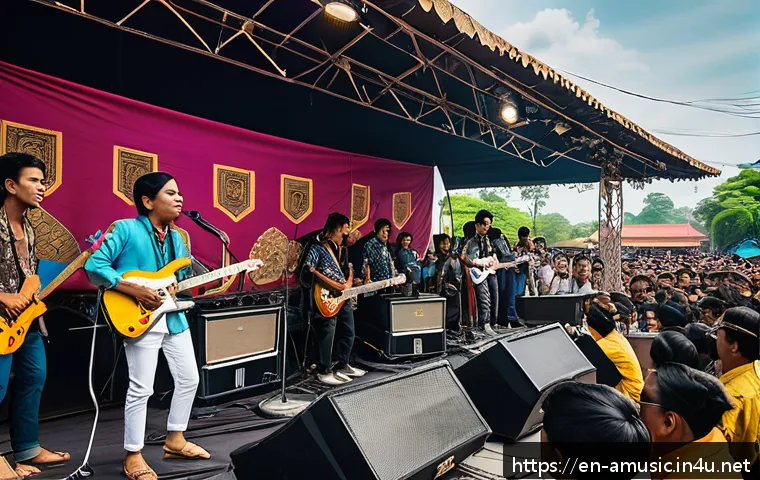
When I first noticed these samples in international music, it prompted me to explore the source material, revealing a treasure trove of musical history.
This cross-pollination enriches both the old and new music scenes, creating exciting opportunities for cultural exchange.
Community Efforts to Preserve and Celebrate Heritage
Various cultural organizations and Cambodian diaspora communities actively work to preserve and promote this musical heritage through festivals, documentaries, and educational programs.
These efforts ensure that the legacy of artists like Sinn Sisamouth continues to inspire future generations. As someone who has attended a few of these events, I can attest to the powerful sense of connection and pride they foster, helping to keep Cambodian rock alive and relevant worldwide.
The Musical Structure and Instrumentation That Define Its Sound
Signature Guitar Techniques and Soundscapes
One of the defining features of Cambodian rock is its distinctive guitar work, often characterized by bright, jangly tones and melodic riffs that differ from Western rock’s heavier styles.
This creates a hypnotic, almost dreamlike atmosphere that invites listeners to get lost in the music. When I first tried to replicate some of these riffs on guitar, I realized how unique the scale choices and phrasing are, reflecting a deep cultural synthesis.
The Role of Rhythm and Percussion
Percussion in Cambodian rock typically blends traditional drum patterns with modern drum kits, giving the music a lively but grounded feel. This rhythmic foundation supports the melodic elements while driving the song forward with a danceable groove.
From a listener’s perspective, the rhythm section often feels both familiar and refreshingly different, which explains why the music appeals to such a broad audience.
Vocals and Harmonies: A Blend of Tradition and Innovation
Vocals in songs like “Chnam Oun 16” tend to be smooth and melodic, with harmonies that enhance the emotional depth without overpowering the main melody.
Sinn Sisamouth’s vocal delivery is particularly noteworthy for its warmth and clarity. I’ve noticed that his phrasing often mirrors traditional Khmer singing styles, which helps anchor the music in its cultural roots even as it embraces Western influences.
Comparative Overview of Classic Cambodian Rock Hits
| Song Title | Artist | Year Released | Key Musical Features | Theme |
|---|---|---|---|---|
| Chnam Oun 16 | Sinn Sisamouth | 1965 | Jangly guitars, melodic vocals, upbeat tempo | Youth, coming of age, love |
| Rom Suea Deum | Sinn Sisamouth | 1968 | Traditional Khmer instruments blended with rock | Nostalgia, longing |
| Komlos Srey | Ros Serey Sothea | 1967 | Powerful vocals, driving rhythm section | Empowerment, romance |
| Jomreang Leu Ma Som | Sinn Sisamouth | 1966 | Soft harmonies, lush arrangements | Love, hope |
| Prampi Sneh Sros | Pen Ran | 1969 | Dance rhythms, playful vocals | Fun, flirtation |
Challenges and Triumphs in Preserving Cambodian Rock History
The Impact of Historical Turmoil on Music Archives
The Khmer Rouge era led to the loss of countless cultural artifacts, including original recordings and master tapes of Cambodian rock. This made preserving and restoring these songs a daunting task.
However, thanks to dedicated collectors and archivists, many tracks have been salvaged and digitized. From what I’ve gathered, this painstaking work often involves piecing together damaged vinyl records and rare tapes, a true labor of love that keeps this musical legacy alive.
The Role of Technology in Revival and Restoration
Modern audio restoration techniques have played a crucial role in bringing these vintage recordings back to life with improved sound quality. I’ve personally been amazed by how digital remastering can enhance old tracks without losing their original charm.
This technical progress allows new listeners to experience the music in a way that’s closer to what audiences in the 1960s might have heard, bridging the gap between past and present.
Educating Future Generations Through Music
To ensure that Cambodian rock continues to thrive, educational initiatives aim to teach young musicians about this rich heritage. Workshops, online resources, and community events help pass down the knowledge and inspire creativity.
Having participated in a few of these programs, I can say that they foster a deep appreciation and connection to Cambodia’s cultural roots, helping to nurture a new generation of artists who honor the past while forging their own paths.
Conclusion
Cambodian rock is more than just a musical genre; it’s a vibrant testament to cultural resilience and artistic innovation. Its timeless appeal continues to inspire listeners around the world, bridging generations and borders. By exploring its rich history and unique sound, we gain a deeper appreciation for the creativity and spirit that define this remarkable musical movement.
Helpful Information
1. Cambodian rock blends traditional Khmer music with Western rock influences, creating a distinct and captivating sound.
2. Sinn Sisamouth played a pivotal role in popularizing this genre, leaving a lasting legacy through his versatile talents.
3. Digital platforms and dedicated curators have sparked a global revival, making these vintage tracks accessible to new audiences.
4. Preservation efforts combine modern restoration technology with community education to keep the music alive for future generations.
5. The emotional and cultural depth of Cambodian rock offers a unique listening experience that resonates universally.
Key Takeaways
The enduring charm of Cambodian rock lies in its seamless fusion of cultural tradition and modern influences, carried forward by legendary artists like Sinn Sisamouth. Despite historical challenges, the genre’s revival through technology and community initiatives highlights the power of music to preserve heritage. Engaging with these sounds not only entertains but also enriches our understanding of Cambodia’s vibrant cultural story.
Frequently Asked Questions (FAQ) 📖
Q: uestions about “Chnam Oun 16″Q1: What is the significance of “Chnam Oun 16” in Cambodian music history?
A: “Chnam Oun 16” is more than just a song; it’s a cultural icon that captures the spirit of Cambodia’s golden era of rock music in the 1960s and 70s. Sung by Sinn Sisamouth, often called the “King of Khmer Music,” this track blends traditional Cambodian melodies with Western rock influences, creating a unique sound that resonated deeply with the youth of the time.
Its enduring popularity reflects both the nostalgia for pre-war Cambodia and the resilience of Cambodian culture through turbulent times.
Q: Why does “Chnam Oun 16” continue to attract new listeners worldwide?
A: The song’s timeless charm lies in its heartfelt lyrics and infectious melody, which transcend language barriers. For many, it’s a discovery of a hidden musical treasure from a region often overlooked in global music scenes.
Additionally, the recent resurgence of interest in vintage and world music, boosted by streaming platforms and global music communities, has introduced “Chnam Oun 16” to younger generations eager to explore diverse sounds.
Personally, I found that listening to it feels like stepping into a vibrant moment of history, making it both emotionally powerful and musically captivating.
Q: How can I best experience and appreciate “Chnam Oun 16”?
A: To truly appreciate “Chnam Oun 16,” I recommend immersing yourself in its context—learn about Sinn Sisamouth’s life and Cambodia’s musical landscape during the mid-20th century.
Listening with headphones can help you catch the intricate instrumentation and subtle vocal nuances. Watching vintage performances or documentaries about Cambodian rock can deepen your understanding and emotional connection.
Also, sharing the song with friends or communities interested in world music creates a richer experience, as you can discuss its impact and beauty together.