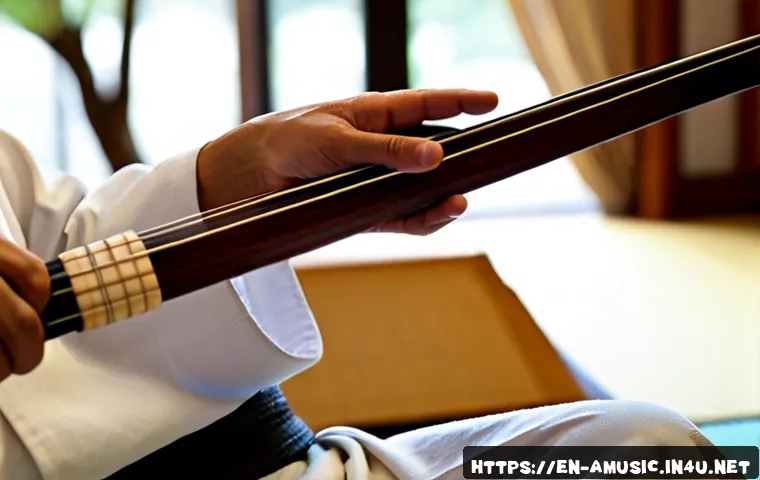
The first shamisen skills to build are a stable playing position, a relaxed bachi grip, accurate left-hand stopping, and steady rhythm. Choose lessons and gear only after deciding what repertoire and learning style you want, because shamisen traditions can differ in tuning, notation, and right-hand technique.
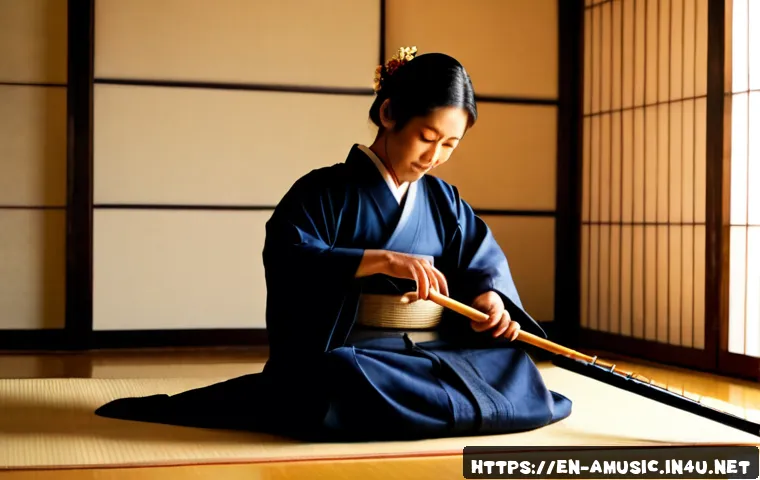
A basic practice instrument can be enough for early coordination work, while feedback from a teacher becomes more valuable when tone, timing, or posture problems persist.
Online lessons, private remote teaching, local instructors, and workshops each offer different levels of correction and cultural context. Before purchasing a shamisen beginner kit or bachi, compare the included materials, instrument construction, string setup, and access to support.
There is no single best shamisen for every learner; comfort and musical goals matter.
At a Glance
- Build control before speed: stable support, relaxed bachi contact, and clear left-hand stopping create a useful foundation.
- Match the learning route to your needs: videos are convenient, while teacher feedback can help correct technique details early.
- Buy for your current stage: a practice-ready setup is often more useful than buying advanced gear without a clear repertoire goal.
| Learning Route | Best For | Feedback Access | What to Compare Before Choosing |
|---|---|---|---|
| Self-guided videos | Learners who prefer flexible practice and visual demonstrations | Usually limited | Technique clarity, notation support, lesson sequence, and included practice materials |
| Live online lessons | Players who need convenience plus direct correction | Direct, depending on the teacher and lesson format | Camera setup guidance, lesson frequency, repertoire focus, and follow-up support |
| Local instructor | Learners who want hands-on observation and cultural context | Direct, in person | Teaching tradition, instrument availability, notation method, and travel practicality |
| Intensive workshop | Players seeking focused exposure to a style or ensemble setting | Varies by workshop structure | Skill level, instrument requirements, group size, and whether ongoing guidance is available |
The Essential Skills to Build First
Stable Sitting Position and Instrument Support
Start with a position that lets the shamisen stay supported without forcing either hand to hold its full weight. The right hand needs room to move the bachi with control, while the left hand should be free to press the strings against the neck. If the instrument shifts during a stroke or your shoulders rise while playing, solve the support problem before trying faster music.
A stable setup is especially important for beginners using a new shamisen instrument bundle. Check whether the instrument, seating arrangement, and accessories allow you to sit consistently from one practice session to the next. Small changes in angle can affect how easily you reach the strings and neck.
Relaxed Bachi Grip and Controlled String Contact
The shamisen is commonly played with a large plectrum called a bachi. In many styles, the goal is not simply to hit the string hard. It is to make intentional contact that produces a clear response without unnecessary tension in the wrist, fingers, or shoulder.
Begin with slow, single-string strikes. Listen for consistency rather than volume. A tight grip can make the sound feel abrupt and can make rhythm less reliable. A bachi that feels uncomfortable may also encourage poor movement, which is one reason bachi selection should be based on physical comfort and the tradition you plan to study.
Why Timing Matters Before Playing Faster Passages
Shamisen rhythm is easier to develop when the hands know exactly where the pulse is. Practice a short pattern slowly, keep the beat steady, and repeat it until each strike lands predictably. Speed can come later. Rushing often hides uneven bachi contact and unclear left-hand changes.
Timing is a technique skill, not just a musical extra. A learner who can play a simple pattern evenly will usually have a better base for accompaniment, ensemble playing, and more detailed solo repertoire.
Understand the Main Playing Movements
Downstrokes, Upstrokes, and Clean Single-String Strikes
Right-hand technique can include controlled bachi strikes and plucking movements. Different shamisen traditions may teach the direction, angle, terminology, and musical use of these movements differently, so avoid assuming that one video demonstration applies to every style.
For early practice, isolate one movement at a time. Strike one string, pause, and notice whether the sound is clear. Then repeat with a simple pulse. This approach helps you identify whether a problem comes from the bachi angle, the amount of force used, or inconsistent timing.
Left-Hand Stopping, Slides, and Pitch Control
Unlike a fretted instrument, the shamisen changes pitch when the left hand presses a string against the neck. This makes accurate placement important. A note can sound uncertain if the finger pressure is too light, too tense, or placed inconsistently.
Slides and vibrato-like pitch motion can add expression, but they work best after basic stopping is dependable. First, practice moving between two positions slowly and listening closely to the pitch change. Then add slides only when you can keep the rhythm stable. The exact approach may vary by school, repertoire, and regional tradition.
Percussive Color Without Damaging Strings or Body Coverings
Some shamisen techniques use percussive effects as part of the instrument’s character. These effects should be learned as controlled musical movements, not as forceful impacts. The body covering and neck construction can vary among shamisen types, affecting feel, durability, and tonal response.
Do not experiment with aggressive striking simply because it looks dramatic in a performance clip. Ask a teacher, course provider, or instrument specialist how a particular technique is approached on your setup. This is particularly important when buying a used instrument or a beginner shamisen bundle with unfamiliar materials.
Learning Methods, Lesson Formats, and Equipment Value
Self-Guided Videos Versus Feedback From a Teacher
Video-based learning can be a practical starting point for learners who need flexible scheduling. It is useful for seeing hand motion, reviewing a rhythm pattern, and becoming familiar with a chosen notation system. The limitation is that you may not notice your own posture, bachi angle, or left-hand pressure problems.
A live shamisen teacher, whether local or remote, can provide feedback on details that are difficult to judge alone. Before booking lessons, compare the teacher’s repertoire focus, notation approach, lesson format, and whether they teach the style you want to play. Course quality, credentials, and included support should always be verified before purchase.
What a Beginner Instrument Bundle Should Include
A beginner bundle should be evaluated for usefulness rather than for the longest list of accessories. Look for a playable instrument setup, an appropriate bachi option, strings or information about the string setup, and clear guidance on basic care. If notation or introductory learning materials are included, confirm that they match the tradition or repertoire you plan to study.
Some learners only need a low-cost practice instrument at first, especially when their goal is to build rhythm and hand coordination. Others may benefit from a more carefully selected setup if they already know the style they intend to pursue. Instrument condition, body covering, neck construction, and tonal response can all affect the playing feel.
When a Better Bachi or Properly Fitted Strings Can Help
A better bachi or properly fitted strings can add value when your current setup prevents comfortable, controlled practice. For example, if the bachi feels difficult to hold or the strings do not suit the intended instrument setup, changing the accessory may be more sensible than replacing everything at once.
However, equipment will not replace steady technique. If tone problems come from excessive force or an unstable sitting position, a gear upgrade may not solve them. Compare bachi selection and string compatibility with guidance from a qualified teacher or seller familiar with the specific shamisen type.
Practice Routine and Common Technique Mistakes
A Short Daily Routine for Tone, Rhythm, and Coordination
A simple practice session can begin with seated setup and relaxed breathing. Next, play slow single-string bachi strikes with an even pulse. Add a small left-hand movement between two pitch positions, then return to a short phrase from your lesson or notation.
Keep the routine focused. One session might emphasize clean sound. Another might emphasize left-hand accuracy or a difficult rhythm pattern. Short, attentive repetition is usually more productive than repeating a phrase quickly without listening.
Avoid Excessive Hand Tension and Uncontrolled Striking Force
A common beginner mistake is trying to create a strong sound by gripping too hard or striking with uncontrolled force. This can reduce precision and make it harder to maintain a steady pulse. Check your shoulders, wrist, and fingers regularly. If they feel locked, pause and reset.

Another common issue is pressing the left-hand fingers harder than necessary. The goal is clear pitch control, not maximum pressure. Work slowly enough to notice when the note speaks clearly, then try to reproduce that feeling consistently.
How to Slow Down Difficult Phrases Productively
When a phrase breaks down, reduce it to the smallest useful unit: one strike, one left-hand movement, or one beat. Practice that unit at a manageable pace, then connect it to the next part. This reveals whether the real challenge is rhythm, bachi direction, finger placement, or coordination.
Use the notation system taught in your course or lesson rather than forcing every piece into a familiar Western staff-notation approach. Shamisen instructional notation can differ by tradition, and learning the system used for your chosen repertoire may make progress more direct.
Choose a Style Based on Your Musical Goal
Accompaniment-Focused Learning Versus Solo Instrumental Repertoire
Your musical goal should guide both your lesson choice and your instrument setup. Learners interested in accompaniment may prioritize rhythm, tuning awareness, and responsiveness to a singer or ensemble. Learners drawn to solo instrumental repertoire may spend more time on detailed phrasing, pitch motion, and right-hand color.
Common tunings include honchoshi, niagari, and sansagari. The exact pitch is chosen for the song, singer, or ensemble, so it is better to learn tuning in context than to treat one tuning as universally correct.
Traditional Repertoire, Ensemble Playing, and Modern Crossover Interests
Traditional repertoire can offer a structured way to learn the sound and movement vocabulary of a particular shamisen tradition. Ensemble playing may develop listening, timing, and tuning awareness. Modern crossover interests can also be motivating, but they still benefit from solid fundamental control.
Before choosing a course or teacher, ask what repertoire is covered. A program can be excellent and still be a poor match if it teaches a different tradition or musical goal than the one you have in mind.
Finding Instruction That Matches Your Preferred Notation System
Some learners prefer visual video instruction, while others want written notation and a clear sequence of exercises. Neither approach is automatically better. The useful choice is the one that helps you understand timing, hand movement, and repertoire without creating confusion.
Ask whether materials use tradition-specific notation, Western staff notation, diagrams, recordings, or a combination. If you are purchasing shamisen lessons online, review sample materials when available and confirm what support is included for questions about notation.
Choosing Lessons and Gear: A Practical Comparison Summary
Compare Cost, Feedback Quality, Convenience, and Cultural Context
Before investing, compare lesson format, feedback access, included materials, instrument compatibility, and repertoire focus. Self-study may offer convenience, while a private teacher may provide more direct correction. A workshop can offer focused exposure, but may not provide continuing support after it ends.
Prices for shamisen instruments, bachi, strings, maintenance tools, repairs, and lessons vary widely by country, materials, condition, teacher, and instrument type. Treat any advertised package as a set of components to verify, not as proof that it is the right long-term choice.
Questions to Ask Before Booking Lessons or Ordering an Instrument
Ask which shamisen tradition or repertoire the instruction supports. Ask whether the course includes notation, recordings, technique demonstrations, or direct feedback. For an instrument bundle, ask what is included, whether the strings and bachi suit the instrument, and what care guidance is provided.
Also ask whether the seller or instructor can explain how the setup relates to your intended musical use. Official product details, lesson policies, and included materials should be checked on the relevant page before ordering.
A Beginner Purchase Checklist for Sustainable Progress
Choose a setup that supports regular practice rather than chasing an advanced-looking instrument. Confirm that you can hold the bachi comfortably, understand the available notation, and access reliable guidance for tuning and basic maintenance. If you are unsure, begin with a practical practice setup and put part of your budget toward feedback from a suitable teacher.
Closing Thoughts
Learning shamisen technique starts with controlled movement, clear timing, and careful listening. A relaxed bachi grip and dependable left-hand placement will serve you in many musical settings. Choose instruction that matches your preferred repertoire and notation system, then select gear that supports that path. The most useful purchase is usually the one that makes consistent, comfortable practice easier.
Useful Things to Know
1. Shamisen traditions can differ in tuning, repertoire, notation, and right-hand technique.
2. Honchoshi, niagari, and sansagari are common tunings, but the exact pitch depends on the musical setting.
3. Body covering and neck construction can affect durability, feel, and tonal response.
4. A teacher can be especially useful when you need help evaluating posture, bachi contact, or left-hand pressure.
Important Notes
There is no universally best shamisen, bachi, lesson platform, or learning method. Suitability depends on the repertoire you want to play, your physical comfort, the tradition being studied, and the support you can access. Lesson prices, instrument prices, repair costs, course quality, teacher credentials, and included materials should be confirmed directly before making a purchase.
Frequently Asked Questions
Q1. Can I learn shamisen techniques online, or do I need a private teacher?
A1. You can begin online if you have clear demonstrations, structured material, and a way to practice consistently. A private teacher can be helpful when you need direct feedback on bachi grip, posture, string contact, left-hand placement, rhythm, or tradition-specific notation. The best choice depends on how much feedback you need and what style you want to learn.
Q2. How much should a beginner expect to spend on a shamisen, bachi, strings, and lessons?
A2. Costs vary widely by country, teacher, materials, instrument type, instrument condition, and included support. Instead of relying on one expected total, compare what an instrument bundle includes, whether the bachi and strings are compatible, what maintenance guidance is available, and whether lessons provide feedback or materials beyond the session itself.
Q3. Which shamisen style and instrument setup is most suitable for a complete beginner?
A3. The most suitable choice depends on the repertoire and tradition you want to explore, as well as your physical comfort with the instrument and bachi. A practical beginner setup may be sufficient for early rhythm and coordination work, but confirm that its construction, strings, and learning materials match the style you intend to study.